Water Heater Repair or Replacement: How to Make the Right Choice
A water heater has a funny way of staying invisible until it ruins your morning. One day it is quietly doing its job in a closet, garage, basement, or utility room. The next day you are standing under a shower that feels like it was piped directly from a mountain stream, wondering if betrayal is covered under warranty.
The repair-or-replace decision is rarely obvious at first glance. A leaking drain valve might be a simple fix. A leaking tank is usually the mechanical equivalent of a farewell note. A bad thermostat can masquerade as a dead water heater. Sediment can make a healthy unit sound like it is boiling gravel for soup. Age matters, but so do installation quality, water hardness, fuel type, maintenance history, household demand, code requirements, and whether the last person who touched it owned both a pipe wrench and a conscience.
I have seen 6-year-old water heaters fail from neglect and 17-year-old units keep limping along like stubborn old farm dogs. The trick is not guessing. The trick is looking at the right clues, understanding the trade-offs, and making a decision that does not punish your wallet twice.
The first question: what kind of trouble are we dealing with?
Not every water heater problem belongs in the same bucket. A homeowner may say, “The water heater is broken,” but that can mean anything from lukewarm showers to a garage floor that has become an indoor pond.
No hot water at all points toward a different set of suspects than rusty water, popping noises, weak flow, or a small drip. With electric units, a failed heating element or thermostat is common. With gas models, trouble might come from the pilot assembly, burner, gas valve, thermocouple, draft issue, or flue problem. With tankless systems, the culprit may be scale buildup, ignition failure, flow sensor trouble, blocked venting, or a neglected filter. Yes, tankless units have filters. No, they do not clean themselves out of politeness.
A good Plumber does not walk in, glance at the brand sticker, and declare doom. They test, inspect, ask a few nosy but useful questions, and look for the difference between a component failure and a system failure. A component failure is often worth repairing. A system failure means the appliance has reached the stage where fixing one thing simply gives another tired part permission to fail next month.
There is also the matter of safety. Gas water heaters share some family resemblance with furnaces, so the same practical instincts used by a Heating contractor or Furnace repair service often apply. Combustion air, venting, gas pressure, carbon monoxide risk, and proper clearances all matter. If you smell gas, stop playing detective. Leave the area and call the utility or a qualified Gas installation service. Curiosity is charming. Gas leaks are not.
Age is not everything, but it is not nothing
Most traditional tank water heaters last somewhere around 8 to 12 years, though local water conditions and maintenance can stretch or shrink that window. Tankless water heaters may last closer to 15 to 20 years if they are properly maintained, descaled, and installed under conditions they can actually tolerate.
That “if” is doing a lot of work.
A 10-year-old tank water heater with a failed heating element may still be repairable, especially if the tank is dry, the water quality is decent, and the rest of the unit looks clean. But a 10-year-old tank with rust trails, rumbling sediment, a corroded top, and a relief valve that looks like it was salvaged from a shipwreck is not a repair candidate. It is a countdown.
Age also affects parts availability. Common residential brands usually have replacement parts for years. Oddball models, discontinued units, builder-grade specials, and certain imported tankless systems can turn a simple repair into a scavenger hunt. At some point, paying a technician to locate a rare part for an old unit makes about as much sense as buying designer shoes for a raccoon.
If your unit is under warranty, repairs may be more attractive. Tank warranties are often 6, 9, or 12 years, depending on model and manufacturer. Labor may or may not be covered, and that distinction matters. A free tank is not a free installation. Someone still has to drain, disconnect, haul, install, pipe, vent, wire, permit, test, and clean up. Water heater installation is not just “swap the cylinder and hope,” no matter what certain internet videos suggest.
When water heater repair makes sense
Water heater repair is usually the right move when the unit is relatively young, the tank itself is sound, and the failed part is accessible and reasonably priced. That sounds simple because, in many cases, it is. A bad electric heating element can often be replaced. A thermostat can fail. A thermocouple can go bad. A pressure relief valve can drip because it is defective, because pressure is too high, or because thermal expansion has nowhere to go.
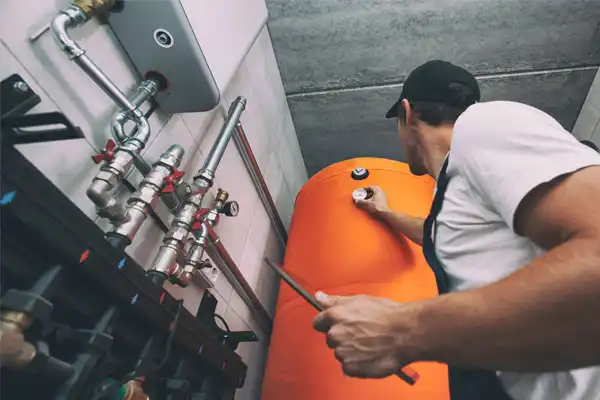
The key is diagnosing the reason, not just replacing the noisy part.
For example, if a temperature and pressure relief valve is leaking, a quick swap might stop the drip for a week. But if the home has a closed plumbing system and no expansion tank, pressure may climb every time the water heater runs. The new valve will eventually leak too. The valve is not the villain. It is the messenger wearing wet shoes.
Sediment is another common troublemaker. In areas with hard water, minerals settle at the bottom of a tank. Over time, the burner or lower element has to heat through that layer, which reduces efficiency and creates popping or rumbling sounds. If caught early, flushing can help. If the sediment has hardened into something https://www.cylex.us.com/company/service-lion-plumbing-heating-air-electric-39894503.html closer to geological strata, flushing may do little. At that point, the water heater is basically trying to heat water through a casserole dish full of rocks.
Repairs are most attractive when they restore reliable operation without ignoring bigger conditions. A Plumber may recommend an anode rod replacement, a new expansion tank, a new valve, or a proper flush. If hard water is beating up every fixture in the house, Water softener installation may be part of the larger conversation. Not because anyone woke up eager to buy more equipment, but because scale does not limit its ambitions to the water heater. It attacks faucets, showerheads, dishwashers, washing machines, tankless heat exchangers, and sometimes your patience.
When replacement is the smarter play
Replacement makes sense when the tank leaks, corrosion is advanced, repairs are frequent, efficiency is poor, or the unit no longer meets household demand. A leaking tank is the big one. There is no reliable patch for an internally corroded tank. You can place a bucket under it, speak kindly to it, and pretend it is “just a little moisture,” but the tank has already voted.
Another replacement clue is repeated service. If you have paid for two or three repairs in the last couple of years, and the heater is near the end of its expected life, you are no longer maintaining equipment. You are subscribing to inconvenience.
Capacity matters too. Families change. A home that once had two people may now have four, plus guests, plus a teenager who believes a shower is a private spa residency. A 40-gallon tank that once felt adequate may now lose the battle every morning. Repairing an undersized water heater will not make it bigger. It will simply return it to being inadequate with slightly newer parts.
Efficiency can also tip the decision. Older atmospheric gas units and aging electric tanks can cost more to run than newer models. That does not mean replacement pays for itself overnight. Energy savings depend on fuel rates, usage, equipment type, and installation cost. Still, if you are already facing a major repair, it is worth comparing that repair against the installed cost and operating cost of a new unit.
Replacement can also expose old plumbing issues. Corroded shutoff valves, undersized gas lines, improper vent connectors, missing pans, missing expansion tanks, and outdated electrical disconnects tend to reveal themselves when work begins. Sometimes the water heater was not installed wrong by today’s code. It was installed right by yesterday’s looser standards, then left alone while code and common sense moved on.
The money question: repair cost versus replacement cost
People want a magic number. Here is the closest practical rule: if the repair costs more than about one-third to one-half of the price of a new installed unit, and the heater is already in its later years, replacement deserves a hard look.
That is not a law. It is a useful pause button.
A $250 repair on a 5-year-old unit is usually sensible. A $900 repair on an 11-year-old standard tank is harder to love. A tankless heat exchanger replacement can be expensive enough to force a serious decision even if the rest of the system looks decent. On the other hand, a small part on a premium tankless model with years of expected life remaining may absolutely be worth repairing.
Installation costs vary widely because homes vary widely. A straightforward like-for-like tank replacement in an accessible garage is not the same as replacing a unit in a cramped attic, converting fuel type, upgrading venting, modifying gas piping, adding an electrical circuit, or meeting seismic strapping requirements. An Electrician may be needed for certain electric water heater upgrades, hybrid heat pump water heaters, dedicated circuits, disconnects, or panel capacity issues. If someone gives you a suspiciously tiny price over the phone without asking anything about access, fuel, size, venting, code, or existing piping, they are either guessing or planning a surprise party for your invoice.
The best quote explains what is included. Removal, disposal, permit, pan, drain line, expansion tank, shutoff valves, supply connectors, gas sediment trap, venting, electrical work, startup, and warranty registration should not be mysterious little extras lurking in the tall grass.
A short field guide to repair-or-replace clues
Here is the only checklist worth taping to the laundry room wall, assuming your laundry room wall is not already occupied by unmatched socks and mild despair.
- Repair is likely if the heater is under 8 years old, the tank is not leaking, and the failed part is common and affordable.
- Replace is likely if the tank itself leaks, corrosion is visible, or the unit is near or beyond its expected lifespan.
- Get a diagnosis if water is lukewarm, recovery is slow, breakers trip, pilots go out, or error codes appear.
- Consider water quality if sediment, scale, rotten-egg odor, or repeated valve failures keep returning.
- Think bigger if your household demand has grown or the current system never really kept up.
That last point matters more than people expect. A repair restores original function. It does not fix a bad match between equipment and lifestyle. If your house has a soaking tub, multiple showers, and laundry running like a hotel, the old tank may be losing a fight it was never sized to win.
Tank or tankless: the replacement fork in the road
If replacement is on the table, the next question is whether to stay with a storage tank or move to a tankless water heater. Both have loyal fans. Both have drawbacks. Neither is magical, though tankless marketing sometimes puts on a cape.
A tank water heater stores hot water and keeps it ready. It is familiar, generally less expensive to install, and works well in many homes. The downside is standby heat loss, limited stored capacity, and the reality that once the tank is cold, everyone waits. Modern tanks are better insulated than older ones, but they still maintain a reservoir whether you need it or not.
Tankless water heaters heat water as it flows. They can provide long runtimes, which is terrific if you want back-to-back showers without staging a family negotiation. But tankless units require proper sizing, adequate gas supply or electrical capacity, clean water, venting, maintenance, and realistic expectations. They do not deliver instant hot water unless paired with a recirculation setup. “Endless hot water” does not mean “hot water teleports to the upstairs sink.”
In cold climates, incoming water temperature matters. A tankless unit that performs beautifully in a warm region may struggle if groundwater arrives frigid and multiple fixtures run at once. Sizing is about temperature rise and gallons per minute, not wishful thinking. A competent installer calculates demand instead of simply saying, “This one should do it,” which is also how people choose doomed houseplants.
Hybrid heat pump water heaters deserve attention too. They use heat pump technology to move heat from surrounding air into the water, often using much less electricity than standard electric resistance tanks. They need adequate space, air volume, condensate drainage, and sometimes a little tolerance for sound. They can cool the room they are in, which is charming in a hot garage and less charming in a chilly basement. If you are already talking with an Air conditioning contractor or Heating contractor about home efficiency, Heat pump installation for water heating may fit into a broader energy plan.
The hidden partners: plumbing, electrical, gas, and sometimes HVAC
Water heaters sit at the crossroads of several trades. That is why a sloppy installation can cause so many strange problems.
A gas unit needs proper combustion air, gas line capacity, venting, clearances, and leak testing. A power-vented unit needs electrical power and correct vent material. An electric tank needs correct voltage, wire size, breaker protection, thermostat settings, and grounding. A hybrid unit adds condensate management and airflow requirements. A tankless system may need upgraded gas piping, stainless venting, isolation valves for descaling, and careful commissioning.
This is where the alphabet soup of home services starts to overlap. A Plumber handles the water piping, valves, drainage, expansion control, and appliance connections. An Electrician may be needed for circuits, panels, disconnects, or bonding. A Gas installation service may evaluate gas piping and appliance load. In some homes, especially when mechanical rooms are crowded, a Heating contractor or Air conditioning contractor can help assess how combustion appliances, ventilation, and nearby HVAC equipment interact. It is not uncommon to see a water heater jammed beside a furnace, air handler, or storage shelves in a way that makes service access an Olympic event.
Water heaters also share symptoms with other plumbing issues. Low hot water flow may not be the heater at all. It can come from clogged galvanized piping, a failing mixing valve, sediment lodged in nipples or supply lines, or a partially closed valve. Rusty water may come from the heater, but it may also come from old piping. If a home has widespread pressure and discoloration issues, Plumbing repiping may enter the discussion. Nobody cheers when repiping is mentioned, but sometimes the honest answer is that the water heater is being blamed for a plumbing system that aged like milk.
Drainage matters too. Water heaters need safe discharge paths for pans, relief valves, condensate lines, and sometimes softener drains. If the nearby drain is slow, Drain cleaning, Rooter service, or even Hydrojetting might be needed before the new equipment has a safe place to send water. In homes with private waste systems, a Septic system service may be relevant if discharge patterns, softener regeneration, or mechanical room drains affect the system. Good contractors think about where water goes after it leaves the appliance. Bad ones admire the shiny new heater and ignore the puddle forming beside it.
The leak that is not always the tank
Homeowners often assume any water near the heater means the tank failed. Sometimes it did. Sometimes the water came from somewhere more fixable.
Condensation can form on gas tanks, especially during heavy usage when cold incoming water chills the tank and humid air hits the surface. A leaking supply connection can run down the side and mimic a tank leak. A bad drain valve can drip. A relief valve can discharge. A nearby water softener, furnace condensate line, air conditioner drain, or plumbing leak can make the heater look guilty by association.
I once saw a “leaking water heater” that turned out to be an air conditioning condensate line dripping from above. The water heater had been standing there innocently while the AC committed the crime from the rafters. An Air conditioning repair service solved that one, not a water heater replacement. Another time, a pinhole leak in a copper line sprayed such a fine mist that it looked like tank sweat. Plumbing leak repair fixed the issue. The tank got to live another day, probably smugly.
This is why diagnosis matters. Before authorizing replacement, ask where the leak is coming from. If the answer is “the tank,” the technician should be able to show you evidence, not just point generally at wetness. If water is seeping from the bottom seam or through the jacket due to internal corrosion, replacement is the practical choice. If it is a fitting, valve, or condensation issue, repair may be enough.
Maintenance changes the math
Maintenance cannot make a water heater immortal, but it can help it avoid an embarrassing early exit. Tank units benefit from periodic flushing, though the schedule depends on water quality and manufacturer guidance. In hard-water areas, annual flushing may help. In very hard-water areas, flushing alone may not solve scale problems. Anode rods also matter. The anode rod sacrifices itself to protect the tank from corrosion. Once depleted, the tank becomes the main course.
Most homeowners never check the anode rod. This is understandable, because it is hidden, awkward, and not exactly a conversation starter at dinner. Still, replacing an anode rod at the right time can add meaningful life to some tanks. The catch is timing. If the unit is already old, crusted, and corroded, trying to remove the rod may damage fittings or accomplish little. Maintenance is strongest when it begins before trouble gets dramatic.
Tankless units require descaling, filter cleaning, and periodic checks. The frequency depends on water hardness and usage. Skipping tankless maintenance is like buying a fancy espresso machine and running gravel through it. It may work for a while, but the complaint department will open soon.
A practical maintenance visit may include checking for leaks, verifying temperature settings, testing expansion control, inspecting venting, checking combustion on gas units when appropriate, cleaning filters, flushing sediment, and looking for code or safety issues. If you already schedule Air conditioning maintenance or an Air conditioning tune-up each year, it may be worth pairing mechanical maintenance tasks seasonally. Your water heater does not care what month it is, but your calendar might.
Temperature, pressure, and the small parts that cause big drama
Many water heater problems orbit two forces: temperature and pressure. Set the temperature too low, and you may run out of usable hot water quickly or create sanitation concerns in some systems. Set it too high, and you raise scald risk and energy use. Many residential systems are set around 120 degrees Fahrenheit, though specific needs vary. Homes with dishwashers, mixing valves, vulnerable occupants, or special equipment may need a more careful setup.
Pressure is equally sneaky. Municipal water pressure that is too high can punish the heater, valves, supply lines, faucets, toilet fill valves, and appliances. A pressure reducing valve may be needed if incoming pressure exceeds safe limits. Once a pressure reducing valve or backflow device creates a closed system, heated water expansion needs somewhere to go. That is what an expansion tank does. Without it, pressure spikes can cause relief valve discharge and stress the plumbing system.
Expansion tanks fail too. They can lose air charge, become waterlogged, or be improperly sized. Replacing a relief valve without checking the expansion tank is like replacing a smoke alarm battery while the toaster is still on fire.
Small details matter. Dielectric connections, proper unions, full-port shutoff valves, drain pans, discharge pipe termination, seismic straps where required, accessible service valves, and correct vent slopes are not glamorous. They are the difference between a professional installation and a future headache wearing fresh pipe tape.
The homeowner’s two-minute inspection
You do not need to become a licensed technician to gather useful information. You just need to look carefully and resist poking anything that smells like gas, sparks, or regret.
- Find the age on the manufacturer label or serial number, then write it down somewhere less mysterious than “the back of the manual drawer.”
- Look for rust, moisture, mineral crust, scorch marks, melted plastic, or water trails around fittings and the base.
- Listen for rumbling, popping, clicking, or repeated ignition attempts.
- Check whether the hot water problem affects every fixture or only one bathroom or faucet.
- Note recent changes, such as a new showerhead, added occupants, plumbing work, power outage, gas interruption, or water softener issue.
That information helps a technician move faster and quote more accurately. It also protects you from vague recommendations. If you can say, “The unit is 11 years old, water is leaking from the bottom seam, and the relief valve is dry,” the conversation becomes much more productive than, “It’s doing a water thing.”
Do not ignore the surrounding systems
Water heater decisions sometimes reveal a bigger house story. If drains gurgle, sinks back up, or the floor drain near the heater overflows during laundry, the appliance may not be the main problem. Drain cleaning or Rooter service can uncover blockages. Hydrojetting may be appropriate for heavy grease, sludge, or recurring buildup in certain lines. If tree roots are involved, the water heater is just an innocent bystander watching the sewer line misbehave.
If your home has old galvanized supply piping, hot water flow may decline because mineral buildup narrows the pipe from the inside. A new heater cannot force good flow through a pipe that has become a drinking straw with a mortgage. Plumbing repiping may be the durable fix. If you are already opening walls for plumbing, it can be wise to coordinate with an Electrician or Lighting contractor for upgrades in the same area, especially in older homes where mechanical spaces have become crowded museums of past decisions.
HVAC systems can also enter the picture. A gas water heater and furnace may share a mechanical room and sometimes interact through combustion air or venting. If a new high-efficiency furnace changes venting arrangements, the old atmospheric water heater may be left with an orphaned chimney that no longer drafts correctly. A good Furnace repair service or Heating contractor should spot this, but homeowners often discover it only after equipment changes. Mechanical systems are social creatures. Move one, and another may complain.
Permits, codes, and the myth of the “simple swap”
A standard replacement may look simple, but water heaters involve pressurized water, electricity or gas, combustion, scald risk, structural supports, drainage, and sometimes carbon monoxide. Codes exist because physics has a dark sense of humor.
Permit requirements vary by location, but many jurisdictions require permits for water heater replacement. That can feel like paperwork theater until you consider what inspections catch: improper venting, unsafe gas connections, missing expansion tanks, bad relief valve piping, inadequate electrical protection, and installations that create real hazards. The inspection is not there to admire the appliance. It is there to make sure the appliance will not audition for the evening news.
Be cautious with bargain installations that skip permits, reuse visibly corroded parts, omit required safety components, or leave old valves because “they still turn.” A valve that turns is not always a valve that seals. Reusing marginal parts can save a few dollars today and cost a weekend tomorrow.
A professional water heater installation should include startup checks. For gas units, that means verifying burner operation and venting. For electric units, it means ensuring the tank is full before energizing elements, unless you enjoy replacing dry-fired parts immediately. For tankless units, it means checking flow, temperature rise, error codes, combustion where applicable, and proper condensate handling. The installation is not done when the truck door closes. It is done when the system operates safely and predictably.
When speed matters and when patience pays
A failed water heater feels urgent because hot water touches everything: showers, dishes, laundry, cleaning, medical needs, and basic comfort. Same-day replacement can be the right call when the tank is leaking or the household cannot function without hot water. But urgency should not erase judgment.
If your old tank failed and you replace it with the same size, same type, and same problems, you may miss a chance to fix years of annoyance. Maybe the old unit was undersized. Maybe hard water destroyed it early. Maybe the gas line is marginal. Maybe a recirculation system would solve long waits at distant fixtures. Maybe a heat pump water heater qualifies for local incentives, though availability and amounts vary by area and change over time. Maybe tankless sounds attractive until the installation requirements make your budget wheeze.
A good contractor can move quickly without rushing the decision. The best conversations are practical: what failed, what code requires, what options fit the home, what each option costs, how long the work takes, and what maintenance looks like afterward. If someone only sells one solution for every house, you are not getting advice. You are getting a menu with one item.
The right choice feels boring afterward
The best repair-or-replacement decision is not dramatic. It is the one you barely think about six months later because the showers are hot, the utility room is dry, the pipes are quiet, and the system does what it promised.
Choose repair when the failure is isolated, the unit has useful life left, and the cost makes sense. Choose replacement when the tank leaks, the unit is old and unreliable, or the repair would pour good money into equipment already packing its bags. Use the moment to consider water quality, household demand, safety, code, and the health of nearby plumbing, gas, electrical, drainage, and HVAC systems.
A water heater is not the flashiest appliance in the home. It does not chill wine, stream movies, or beep proudly when it finishes something. It just works, quietly and often thanklessly, until it does not. Treat the decision with a little care now, and you can go back to the grand luxury of not thinking about hot water at all. That, frankly, is the dream.
Name: Service Lion Plumbing Heating Air Electric
Address: 521 W Briardale Ave, Orange, CA 92865, United States
Phone: (657) 567-7305
Website: https://callservicelion.com/
Email: [email protected]
Hours:
Monday: Open 24 hours
Tuesday: Open 24 hours
Wednesday: Open 24 hours
Thursday: Open 24 hours
Friday: Open 24 hours
Saturday: Open 24 hours
Sunday: Open 24 hours
Open-location code: R48R+WV Orange, California, USA
Map/listing URL:
https://www.google.com/maps/search/?api=1&query=Google&query_place_id=ChIJQU4LBWHV3IARtnABtyykSA4
Google Map:
Socials:
https://www.facebook.com/ServiceLionCA/
https://www.youtube.com/channel/UCR_L35QzsRTxYZtX8PxJvPw
Local Service Information
Service Lion Plumbing Heating Air Electric provides plumbing, drain, heating, air conditioning, and electrical services from its Orange, California location.The company serves homeowners and properties throughout Orange and communities across Orange County and surrounding areas.
Available services include plumbing repairs, water heater work, drain and sewer services, heating and cooling service, electrical repairs, panels, lighting, outlets, and related home-system work.
Service is available for residential properties as well as light commercial needs described within the company's local service-area information.
The company's website emphasizes locally operated service, coordinated home-system support, and practical scheduling for plumbing, HVAC, and electrical needs.
The matching public business listing shows the Orange location as open 24 hours a day, seven days a week.
For service information or scheduling, call (657) 567-7305 or visit https://callservicelion.com/.
The public map listing identifies the business at 521 W Briardale Ave, Orange, CA 92865 and can be used for location and direction information.
Popular Questions About Service Lion Plumbing Heating Air Electric
What services does Service Lion Plumbing Heating Air Electric provide?
The company provides plumbing, drain and sewer, heating, air conditioning, and electrical services. Its published services include plumbing repair, water heaters, drain clearing, sewer work, HVAC repair and installation, electrical repairs, panels, circuit breakers, lighting, outlets, and related services.
Where is Service Lion Plumbing Heating Air Electric located?
The matching business location is 521 W Briardale Ave, Orange, CA 92865, United States.
What areas does Service Lion Plumbing Heating Air Electric serve?
The company serves Orange County and surrounding communities. Its published service-area information includes Orange, Anaheim, Brea, Yorba Linda, Fullerton, Huntington Beach, Newport Beach, Costa Mesa, Irvine, Lake Forest, and additional nearby cities.
Is Service Lion Plumbing Heating Air Electric open 24 hours?
The matching public business listing shows the location as open 24 hours on Monday through Sunday.
Does Service Lion Plumbing Heating Air Electric work on drains and sewer lines?
Yes. Published services include drain clearing, rooter service, camera inspection, hydro jetting, sewer line repair and installation, water line work, slab leak detection, and trenchless sewer line repair.
Does Service Lion Plumbing Heating Air Electric provide heating and air conditioning service?
Yes. Its published HVAC services include air conditioning repair and installation, heating service, furnace work, heat pumps, air ducts, indoor air quality assessments, and thermostat installation.
Does Service Lion Plumbing Heating Air Electric provide electrical service?
Yes. Published electrical services include repairs and installations, electrical panels, circuit breakers, safety inspections, lighting, outlets and switches, surge protection, generators, and EV charging equipment installation.
How can I contact Service Lion Plumbing Heating Air Electric?
Call (657) 567-7305.
Email: [email protected]
Website: https://callservicelion.com/
Facebook: https://www.facebook.com/ServiceLionCA/
Landmarks Near Orange, California
Old Towne Orange Historic District
A central historic district and useful geographic reference point for the Orange community.
Plaza Park
A well-known public gathering point in the center of Old Towne Orange.
Orange Public Library & History Center
A civic landmark serving residents near central Orange.
Hart Park
A major public park and recreation area south of central Orange.
Eisenhower Park
A public park serving neighborhoods in northern Orange.
Santiago Oaks Regional Park
A regional recreation and open-space landmark on the eastern side of Orange.
Irvine Regional Park
A large regional park and recognizable reference point east of the city.
Orange Park Acres
A distinctive residential community and service-area reference point in eastern Orange.
El Modena
An established Orange neighborhood that provides a practical local coverage reference.
Glassell Street
One of the city's principal north-south streets and a useful route through central Orange.
Lincoln Avenue
A major east-west roadway serving northern Orange and nearby communities.
State Route 55
A primary regional freeway connecting Orange with other parts of Orange County.