The Real Value of an Annual Air Conditioning Tune-Up
The humble air conditioner has a funny way of being ignored for nine months, then blamed for everything the moment July gets rude.
It sits outside through pollen, leaves, lawn clippings, rain, bugs, dog hair, and the occasional ambitious vine. It hums along in the background, asked to pull heat out of your house while the attic bakes, the kids leave doors open, and someone keeps nudging the thermostat down “just two degrees.” Then one afternoon it coughs, wheezes, and quits. Suddenly the outdoor unit, previously treated like a metal shrub, becomes the most important appliance on the property.
That is where the annual air conditioning tune-up earns its keep. Not with glamour. Not with magic. With measured, practical maintenance that keeps a cooling system from quietly sliding into expensive nonsense.
An air conditioning tune-up is not just a quick filter swap and a sticker on the thermostat. Done properly, it is a hands-on inspection, cleaning, adjustment, and performance check by an air conditioning contractor who knows what small problems look like before they dress up as big invoices. The real value is not only in preventing breakdowns, though that matters plenty. It is in efficiency, equipment life, comfort, safety, warranty protection, and the pleasant absence of panic-sweating into a phone while begging for same-day air conditioning repair.
The tune-up is boring, which is exactly why it works
Good maintenance rarely feels dramatic. Nobody gathers the family around to celebrate a clean condenser coil. There is no commemorative cake when the capacitor tests within range. Yet those small, dull wins are what keep an AC system from turning into a costly little opera.
Most residential central air systems are split systems. There is an outdoor condenser, an indoor evaporator coil, a blower, refrigerant lines, electrical components, drainage, ductwork, and controls. A heat pump installation uses similar pieces, with the added trick of reversing refrigerant flow to heat the home as well as cool it. Either way, the equipment depends on clean airflow, correct refrigerant charge, sound electrical connections, accurate controls, and proper drainage.
Take away one of those conditions and performance drops. Take away two or three, and the system may still run, but with the grace and efficiency of a refrigerator strapped to a bicycle.
A lightly dirty condenser coil can raise operating pressure and force the compressor to work harder. A weak capacitor can make motors start sluggishly. A clogged condensate drain can shut the system down or, worse, quietly dump water where water has no business being. A blower wheel coated with dust moves less air. A thermostat that reads poorly may short-cycle the system or let rooms drift uncomfortable. None of these failures announces itself politely at first. They creep.
An annual air conditioning maintenance visit is designed to catch the creep.
What actually happens during a proper air conditioning tune-up
Homeowners sometimes assume a tune-up means the technician “looks at it.” That is a little like saying a plumber “looks at pipes.” Looking is part of it, but the useful part is knowing what to test, what to clean, and what measurements matter.
A thorough air conditioning tune-up usually includes cleaning the outdoor condenser coil, checking refrigerant pressures and temperatures, testing capacitors and contactors, inspecting wiring, measuring amperage draw, checking the thermostat, evaluating airflow, inspecting the blower and evaporator coil when accessible, clearing or treating the condensate drain, and verifying the temperature split across the indoor coil. Many contractors also check duct conditions, filter fit, disconnects, safety switches, insulation on refrigerant lines, and general installation quality.
That is the tidy version. The field version includes kneeling in mulch, removing cottonwood fluff from coils, explaining to a homeowner that “just a little ice” on the refrigerant line is not normal, and discovering that a wasp has built a subdivision inside the electrical compartment.
The best technicians do not simply record readings. They interpret them. A suction pressure that looks borderline may mean one thing on a mild spring morning and another thing during a 98-degree afternoon. A temperature split of 16 to 22 degrees Fahrenheit is often a reasonable cooling range for many systems under normal conditions, but it is not a universal verdict. Airflow, indoor humidity, outdoor temperature, equipment type, duct design, and refrigerant type all matter. Skilled air conditioning repair service depends on context, not clipboard theater.
The money part nobody should tiptoe around
People often ask whether annual AC maintenance “pays for itself.” Sometimes it does directly. Sometimes it pays in avoided misery, which is harder to enter into a spreadsheet but very easy to understand while sleeping through a hot night.
A neglected system loses efficiency gradually. The U.S. Department of Energy has long noted that dirty filters and neglected maintenance can increase energy use, though the exact amount varies widely by system and conditions. In real homes, I have seen a dirty outdoor coil make a unit run longer each cycle, especially during late afternoon when the house load peaks. That extra runtime shows up on the electric bill. It also adds wear.
A tune-up fee depends on region, company, equipment access, and whether it is part of a maintenance plan. It is commonly modest compared with major repairs. A failed capacitor may be a relatively small repair. A failed blower motor costs more. A compressor replacement can make people stare quietly into the middle distance. If the system is older, a compressor failure may push the conversation toward replacement instead of repair, and nobody enjoys learning that over lunch.
The sneaky cost is not always the part itself. It is timing. Emergency air conditioning repair in the first heat wave of summer is a crowded market. Everyone who ignored strange noises in April is suddenly on hold in June. A tune-up in spring gives you better scheduling, more time for decisions, and less chance of paying urgent rates because the house is now imitating a sauna.
Efficiency is not just about the equipment
An air conditioner does not cool a house by brute force alone. It relies on the house cooperating. That cooperation is often suspiciously lacking.
If the return grille is blocked by a sofa, the system starves for air. If the filter is too restrictive or clogged, the blower struggles. If the attic ducts leak, you may be air conditioning the rafters, which is generous but not recommended. If the condensate line is sloped poorly, drainage becomes a recurring drama. If a supply register is closed in a room, the pressure balance may change enough to make comfort worse elsewhere.
A good heating contractor or air conditioning contractor sees the whole system, not just the metal box outside. They know that a perfectly charged unit can still disappoint if ductwork is undersized. They know that adding refrigerant to a system with poor airflow is not a cure. They know that a thermostat placed near a lamp, sunny window, or kitchen doorway may behave like it has personal issues.
This is where tune-ups become more than maintenance. They become diagnosis before distress.
One homeowner I remember had a newer system that “never cooled right.” The refrigerant was fine. The condenser was clean. The equipment capacity was reasonable. The problem was a return duct that had partially collapsed in a tight crawlspace. The blower sounded busy, but the system could not breathe. Replacing equipment would have been an expensive failure. Fixing airflow solved the complaint. The AC had been blamed for a duct problem, which happens more often than polite society admits.
Small electrical problems have big personalities
Air conditioners are mechanical systems, but they are also electrical systems. Motors, capacitors, relays, contactors, circuit boards, disconnects, breakers, and low-voltage wiring all have to behave. When they do not, the symptoms can be strange.
A pitted contactor may still pull in, but it can chatter or fail under load. A capacitor may test weak before it fails completely. Loose electrical connections can create heat, and heat is the unpaid intern of many failures, always present when things go wrong. Rodents sometimes chew low-voltage wires because apparently they have no hobbies.
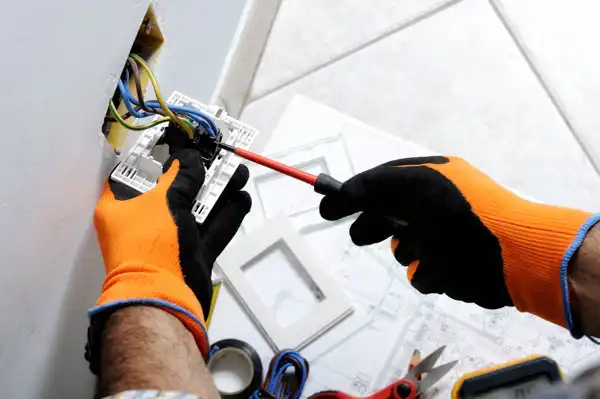
This is one reason an experienced electrician or HVAC technician treats electrical inspection seriously during a tune-up. The goal is not to sell fear. The goal is to catch failure points while they are still manageable. A weak capacitor found during maintenance is an inconvenience. A weak capacitor that finally quits on a Saturday night during a holiday weekend is a family story told with bitterness.
Electrical checks also matter for safety. Outdoor units live in harsh conditions. Disconnect boxes weather. Whips crack. Connections loosen from vibration and thermal cycling. A tune-up gives someone qualified a chance to open compartments, test components, and notice what a homeowner should not be expected to notice.
Refrigerant is not “used up,” and other useful truths
One of the great myths of cooling systems is that refrigerant gets consumed like gasoline. It does not. In a sealed system, refrigerant circulates. If the system is low, it usually means there is a leak.
That distinction matters because “topping it off” every year is not maintenance. It is postponement. Sometimes there are practical reasons to add refrigerant to keep an older system running temporarily, especially if replacement is already planned. But routine refrigerant loss is a defect, not a personality trait.
A proper air conditioning tune-up includes checking operating conditions that may indicate charge issues, but responsible technicians avoid guessing. Refrigerant diagnostics can require temperature measurements, pressure readings, manufacturer data, airflow verification, and sometimes leak detection. Overcharging can harm performance too. More is not better. It is not chili powder.
Older systems may use refrigerants that are being phased out or have become expensive. That changes the repair math. If a 15-year-old system has a leaking evaporator coil and uses an older refrigerant, an air conditioning repair service may recommend replacement rather than pouring money into a system nearing the end of its useful life. That is not defeatism. That is arithmetic wearing work boots.
Comfort is more than a number on the thermostat
A house can be 74 degrees and still feel clammy. Another can be 76 and feel fine. Humidity, airflow, cycle length, insulation, solar gain, and air distribution shape comfort just as much as the thermostat setting.
An AC system that short-cycles may cool the air quickly without removing enough moisture. A dirty coil or poor airflow can cause coil temperatures to drop too low, increasing the risk of freezing and reducing performance. Oversized systems can satisfy the thermostat fast but leave humidity behind like an unwanted party guest. Undersized systems may run constantly and still lose ground during peak heat.
During a tune-up, the technician can often spot comfort clues. Are supply temperatures consistent? Is the blower speed appropriate? Is the filter too restrictive? Is the indoor coil dirty? Is the outdoor unit cycling normally? Does the thermostat placement make sense? Does the system run long enough to dehumidify?
These details matter because comfort complaints often get reduced to “the AC is bad.” Sometimes it is. Sometimes the system is doing its best while trapped in a poorly balanced house. Annual maintenance gives you a chance to separate equipment problems from building problems before replacing the wrong thing.
The drain line deserves more respect than it gets
The condensate drain is the least glamorous part of air conditioning, which is impressive in a category that includes sheet metal elbows. Yet it can cause some of the most annoying damage.
As warm indoor air passes over the cold evaporator coil, moisture condenses and drains away. In humid climates, that can be gallons of water per day. The drain line must carry that water safely outside, into a plumbing drain where allowed, or to a condensate pump. Algae, sludge, rust, insulation debris, and insects can clog the line. When that happens, water backs up.
If you are lucky, a safety switch shuts the system off. If you are less lucky, water stains a ceiling, soaks insulation, ruins flooring, or finds a path into a light fixture, at which point everyone becomes very interested in both HVAC and a lighting contractor.
A tune-up usually includes flushing, vacuuming, treating, or inspecting the whole house water softener installation condensate drain, depending on the setup. This is simple work compared with repairing water damage. It is also a good example of why maintenance value is not always visible. The best drain problem is the one that never becomes a wet spot over the dining room table.
When AC maintenance crosses paths with plumbing, heating, and everything else
Homes do not respect trade boundaries. An AC issue may involve electrical service. A heat pump may tie into backup heat. A furnace blower may be part of the cooling system. A condensate drain may connect near plumbing. A mechanical room may contain a furnace, air handler, water heater, gas piping, softener, and a suspicious collection of holiday decorations.
That is why broad mechanical experience helps. A furnace repair service may be involved because the blower in a gas furnace also moves air for central cooling. A gas installation service may matter when equipment replacement affects combustion appliances or venting. A plumber may be needed if condensate disposal is wrong, if a nearby shutoff leaks, or if corrosion around a mechanical room hints at a bigger water issue. Water heater repair, water heater installation, plumbing leak repair, drain cleaning, rooter service, hydrojetting, plumbing repiping, water softener installation, and even septic system service are not AC tune-up tasks, but they often live in the same world: the hidden infrastructure that only gets attention when something drips, smells, clogs, sparks, or stops.
A sharp technician does not pretend to be every trade at once. They do, however, recognize when another professional should be called. If the air handler sits beside a water heater with a failing pan, say something. If the condensate line drains into a standpipe that backs up, mention drain cleaning. If the breaker trips repeatedly, do not keep resetting it like a slot machine. Bring in an electrician. Good maintenance includes knowing the edge of your lane.
What homeowners can do between annual visits
Professional maintenance matters, but homeowners are not helpless passengers. The most valuable homeowner tasks are simple, which means they are easy to forget until the system starts acting dramatic.
Here is the short version worth taping inside a utility closet door:
- Replace or clean the air filter on a schedule that matches your home, often every 1 to 3 months.
- Keep at least a couple of feet of clearance around the outdoor unit, especially from weeds, leaves, and stored junk.
- Make sure supply and return vents are open and not blocked by furniture, rugs, or laundry piles with ambition.
- Watch for unusual sounds, ice on refrigerant lines, water around the indoor unit, or weak airflow.
- Call for service early when something changes, not after the system has been limping for weeks.
Filter timing deserves a little judgment. A single adult with no pets may get longer life from a filter than a family with three dogs, a dusty road, and a fondness for open windows. Higher-MERV filters can improve filtration, but some systems cannot handle the added resistance without airflow problems. If a filter bows inward, whistles, or gets filthy fast, ask a technician whether the return setup is adequate.
Outdoor clearance matters too. People love hiding condensers behind shrubs or lattice because outdoor units are not exactly garden sculpture. Fine, but the unit needs to breathe. Crowding it traps heat and reduces efficiency. Mulch and grass clippings can mat the coil. Cottonwood seeds can blanket a condenser so thoroughly it looks like it is wearing a sweater. That sweater is not helping.
The warranty angle, also known as reading the small print before it bites
Many equipment manufacturers require proper installation and routine maintenance for warranty coverage. The exact terms vary, so it is worth keeping records. Save invoices, tune-up reports, repair notes, model numbers, serial numbers, and warranty documents. If a major component fails, paperwork can matter.
Warranty does not mean every cost disappears. Labor may or may not be covered. Refrigerant may not be covered. Diagnostic fees may apply. Registration deadlines can affect coverage length. A part warranty on a system with a neglected coil or obvious lack of maintenance can become complicated.
This is not a scare tactic. It is a filing cabinet tactic. Keep records. Future you may be grateful, and future you is already dealing with enough.
The best time to schedule a tune-up
Spring is usually the sweet spot for cooling maintenance. The weather is mild enough to test the system under reasonable conditions, contractors are not yet buried under emergency calls, and there is time to repair issues before heavy summer use. In warmer climates with long cooling seasons, late winter or early spring can work well. In regions where heat pumps handle both heating and cooling, twice-yearly maintenance may make sense: one visit before cooling season and another before heating season.
If you missed spring, do not throw up your hands and wait another year. A summer tune-up is still useful, especially if the system is running constantly. Fall maintenance can also be worthwhile for heat pumps and combined systems. The worst time for a tune-up is “never,” closely followed by “after the compressor makes a noise like a coffee can full of bolts.”
Scheduling early also gives you room to think. If a technician finds a failing motor, an aging contactor, or a refrigerant leak, you can weigh options. Maybe you repair. Maybe you plan replacement. Maybe you ask about heat pump installation because utility rates, rebates, or comfort goals have changed. Decisions made in a cool kitchen tend to be better than decisions made at 89 degrees with a box fan pointed at your face.
Maintenance plan or one-time visit?
Many companies offer maintenance plans. Some are excellent. Some are mainly a coupon wearing a membership badge. The value depends on the company, the scope of work, and how you use it.
A worthwhile plan typically includes scheduled visits, documented readings, priority scheduling, reminders, and sometimes discounts on repairs. Priority scheduling has real value during peak season. If your AC fails during the first heat wave, being an established maintenance customer may move you ahead of someone calling for the first time while saying, “It just started making this sound last summer.”
A one-time annual tune-up can still be perfectly fine, especially for newer systems or homeowners who keep careful records. What matters is the quality of the visit. A cheap tune-up that skips measurements, cleaning, and inspection is not a bargain. It is a handshake with a van.
Ask what is included. Ask whether the indoor and outdoor components are checked. Ask whether electrical readings are measured. Ask whether the condensate drain is inspected. Ask whether you receive a written report. Good contractors are not offended by informed questions. They tend to welcome them, because informed customers are less likely to believe that refrigerant is a seasonal topping like whipped cream.
When a tune-up turns into a repair conversation
Sometimes maintenance finds a problem. That can feel annoying, especially when the system seemed fine. But “seemed fine” is doing a lot of work in that sentence.
Common discoveries include weak capacitors, burnt contactor points, dirty coils, clogged drains, worn blower components, refrigerant leaks, damaged insulation on suction lines, loose wiring, failing fan motors, and duct issues. Some repairs are urgent. Others can be watched. A good technician should explain the difference.
Not every imperfection requires immediate spending. An older but still functioning contactor with moderate wear may justify replacement before peak season, but it may not be an emergency. A severely swollen capacitor is a different conversation. A minor duct insulation tear is not the same as a disconnected supply run in an attic. Refrigerant readings slightly outside target under questionable airflow conditions should not trigger blind charging. Fix airflow first, then recheck.
This is where trust matters. You want an air conditioning repair service that can say, “This needs attention now,” and also, “This can wait, but keep an eye on it.” The second sentence is often the one that proves you are dealing with a grown-up.
The replacement question nobody loves
Annual maintenance can extend equipment life, but it does not grant immortality. Most central air conditioners and heat pumps have expected service lives often discussed in the range of 10 to 15 years, sometimes longer with favorable conditions and good maintenance, sometimes shorter in harsh climates or heavy-use homes. Coastal air, poor installation, neglected filters, power issues, and constant operation can shorten the timeline.
A tune-up on an older system helps clarify whether you are preserving a reliable machine or feeding a hungry relic. If repair costs climb, refrigerant is expensive, efficiency is poor, and comfort is mediocre, replacement may be the more sensible path. That does not mean replacing equipment at the first hiccup. It means comparing the cost of continued repairs with the value of newer efficiency, reliability, and comfort.
The installation quality matters more than the brand sticker. A properly sized, well-installed midrange system usually beats a premium unit Plumber installed like someone lost a bet. Load calculations, duct evaluation, refrigerant line practices, airflow setup, condensate management, electrical requirements, and commissioning all matter. The best maintenance technicians often see the ghosts of bad installations years later. Oversized units. Undersized returns. Poor drainage. Missing filter racks. Line sets without proper insulation. Systems can be new and wrong at the same time, which feels unfair but is absolutely possible.
What a good tune-up report should tell you
A tune-up report does not need to read like a graduate thesis, but it should provide more than “checked unit, OK.” Useful documentation gives you a baseline. Over time, that baseline reveals trends.
A good report may include:
- Outdoor and indoor unit model and serial numbers.
- Capacitor readings, motor amperage, and contactor condition.
- Refrigerant temperature and pressure observations where appropriate.
- Air temperature split, airflow concerns, and filter condition.
- Notes on coil cleanliness, condensate drainage, and recommended repairs.
Those numbers become valuable year after year. If a blower motor’s amperage begins creeping upward, that is a clue. If a capacitor tests weaker each visit, replacement can be planned. If the temperature split changes significantly, someone can investigate before comfort suffers.
Documentation also protects against vague memory. Homeowners often say, “I think they replaced something two summers ago.” A report can answer what, when, and why. Your AC system has no diary. Give it one.
The not-so-hidden return: peace of mind
Peace of mind gets mocked because it sounds soft. It is not. It is the practical comfort of knowing a qualified person has inspected the machine you depend on during the hottest months of the year. It is hearing the system start without wincing. It is leaving for a weekend without wondering whether the condensate pan plans to become an indoor pond.
Annual air conditioning maintenance does not guarantee zero breakdowns. Anyone who promises that is selling weather in a jar. Parts can fail unexpectedly. Storms happen. Mice happen. Manufacturing defects happen. But maintenance stacks the odds in your favor. It reduces preventable failures, improves performance, and gives you time to make intelligent decisions.
There is also the human benefit of having a relationship with a contractor before you need rescue. The first time you call a company should not ideally be when the house is 86 degrees and Grandma is visiting. Regular service builds familiarity with your equipment, your home, and your expectations. That helps everyone.
The real value, stripped of sales glitter
The real value of an annual air conditioning tune-up is not one single thing. It is a bundle of avoided problems and quiet improvements. Lower energy waste. Fewer emergency calls. Longer equipment life. Better humidity control. Safer electrical operation. Cleaner drainage. Clearer repair planning. Stronger warranty records. A better shot at making it through summer without your living room becoming a terrarium.
It is also a reality check. A tune-up tells you whether your system is healthy, tired, dirty, incorrectly set up, or nearing retirement. That knowledge has value even when the news is not perfect. Especially then.
Air conditioners fail most rudely when they are working hardest. Annual maintenance is how you stop asking an uninspected machine to perform heroics under peak load. Think of it as a physical for the appliance that keeps your house habitable when the driveway shimmers. Not glamorous. Not mysterious. Just smart.
And if that sounds too sensible to be exciting, good. Exciting is for vacations, playoff games, and surprise checks in the mail. Your air conditioner should be boring, steady, and deeply uninteresting. A proper annual tune-up helps keep it that way.
Name: Service Lion Plumbing Heating Air Electric
Address: 521 W Briardale Ave, Orange, CA 92865, United States
Phone: (657) 567-7305
Website: https://callservicelion.com/
Email: [email protected]
Hours:
Monday: Open 24 hours
Tuesday: Open 24 hours
Wednesday: Open 24 hours
Thursday: Open 24 hours
Friday: Open 24 hours
Saturday: Open 24 hours
Sunday: Open 24 hours
Open-location code: R48R+WV Orange, California, USA
Map/listing URL:
https://www.google.com/maps/search/?api=1&query=Google&query_place_id=ChIJQU4LBWHV3IARtnABtyykSA4
Google Map:
Socials:
https://www.facebook.com/ServiceLionCA/
https://www.youtube.com/channel/UCR_L35QzsRTxYZtX8PxJvPw
Local Service Information
Service Lion Plumbing Heating Air Electric provides plumbing, drain, heating, air conditioning, and electrical services from its Orange, California location.The company serves homeowners and properties throughout Orange and communities across Orange County and surrounding areas.
Available services include plumbing repairs, water heater work, drain and sewer services, heating and cooling service, electrical repairs, panels, lighting, outlets, and related home-system work.
Service is available for residential properties as well as light commercial needs described within the company's local service-area information.
The company's website emphasizes locally operated service, coordinated home-system support, and practical scheduling for plumbing, HVAC, and electrical needs.
The matching public business listing shows the Orange location as open 24 hours a day, seven days a week.
For service information or scheduling, call (657) 567-7305 or visit https://callservicelion.com/.
The public map listing identifies the business at 521 W Briardale Ave, Orange, CA 92865 and can be used for location and direction information.
Popular Questions About Service Lion Plumbing Heating Air Electric
What services does Service Lion Plumbing Heating Air Electric provide?
The company provides plumbing, drain and sewer, heating, air conditioning, and electrical services. Its published services include plumbing repair, water heaters, drain clearing, sewer work, HVAC repair and installation, electrical repairs, panels, circuit breakers, lighting, outlets, and related services.
Where is Service Lion Plumbing Heating Air Electric located?
The matching business location is 521 W Briardale Ave, Orange, CA 92865, United States.
What areas does Service Lion Plumbing Heating Air Electric serve?
The company serves Orange County and surrounding communities. Its published service-area information includes Orange, Anaheim, Brea, Yorba Linda, Fullerton, Huntington Beach, Newport Beach, Costa Mesa, Irvine, Lake Forest, and additional nearby cities.
Is Service Lion Plumbing Heating Air Electric open 24 hours?
The matching public business listing shows the location as open 24 hours on Monday through Sunday.
Does Service Lion Plumbing Heating Air Electric work on drains and sewer lines?
Yes. Published services include drain clearing, rooter service, camera inspection, hydro jetting, sewer line repair and installation, water line work, slab leak detection, and trenchless sewer line repair.
Does Service Lion Plumbing Heating Air Electric provide heating and air conditioning service?
Yes. Its published HVAC services include air conditioning repair and installation, heating service, furnace work, heat pumps, air ducts, indoor air quality assessments, and thermostat installation.
Does Service Lion Plumbing Heating Air Electric provide electrical service?
Yes. Published electrical services include repairs and installations, electrical panels, circuit breakers, safety inspections, lighting, outlets and switches, surge protection, generators, and EV charging equipment installation.
How can I contact Service Lion Plumbing Heating Air Electric?
Call (657) 567-7305.
Email: [email protected]
Website: https://callservicelion.com/
Facebook: https://www.facebook.com/ServiceLionCA/
Landmarks Near Orange, California
Old Towne Orange Historic District
A central historic district and useful geographic reference point for the Orange community.
Plaza Park
A well-known public gathering point in the center of Old Towne Orange.
Orange Public Library & History Center
A civic landmark serving residents near central Orange.
Hart Park
A major public park and recreation area south of central Orange.
Eisenhower Park
A public park serving neighborhoods in northern Orange.
Santiago Oaks Regional Park
A regional recreation and open-space landmark on the eastern side of Orange.
Irvine Regional Park
A large regional park and recognizable reference point east of the city.
Orange Park Acres
A distinctive residential community and service-area reference point in eastern Orange.
El Modena
An established Orange neighborhood that provides a practical local coverage reference.
Glassell Street
One of the city's principal north-south streets and a useful route through central Orange.
Lincoln Avenue
A major east-west roadway serving northern Orange and nearby communities.
State Route 55
A primary regional freeway connecting Orange with other parts of Orange County.