Plumbing Repiping to Stop Rusty Water and Frequent Leaks
Rusty water has a special talent for making a perfectly normal Tuesday feel like a low-budget disaster film. You turn on the tap, expecting clear water, and out comes something that looks like it was brewed in an abandoned train yard. Then the ceiling develops a suspicious bubble. Then the guest bathroom smells faintly metallic. Then someone says, “Maybe it’ll fix itself,” which is how many plumbing problems begin their villain arc.
Plumbing repiping is not the flashiest home improvement. Nobody invites neighbors over to admire the new PEX manifold the way they might show off granite counters or a new patio. But when pipes are corroded, leaking, undersized, or patched together like a family quilt, repiping can be the difference between a reliable home and a building that quietly practices water damage behind your back.
A good Plumber knows the difference between a pipe that needs a repair and a plumbing system that is sending resignation letters through the drywall. The trick is knowing when rusty water and frequent leaks are symptoms of a bigger failure, not isolated annoyances. That is where repiping earns its keep.
When rusty water is more than ugly water
A little discoloration after city utility work or hydrant flushing can happen. Water mains get disturbed, sediment moves, and your tap may briefly produce tea-colored water. That does not automatically mean your house pipes are dying. But if rusty water appears regularly, especially first thing in the morning or after the water has sat in the lines for several hours, your plumbing may be contributing iron oxide to the party.
Galvanized steel pipe is the usual suspect in older homes. It was widely used decades ago because it was strong, available, and seemed like a fine idea at the time, much like shag carpet and indoor smoking. Galvanized pipe is steel coated with zinc. Over time, the zinc layer wears away, the steel corrodes, and rust forms inside the pipe. The internal diameter shrinks as corrosion builds. Water pressure drops. Fixtures clog. Water turns orange, brown, or yellow. Eventually, pinhole leaks and failed threaded joints arrive like unpaid bills.
Copper can also corrode, though it usually behaves differently. Instead of the heavy internal rust seen in galvanized lines, copper may develop pinhole leaks due to aggressive water chemistry, improper installation, high velocity, electrical grounding issues, or flux residue. You may see blue-green staining on fixtures, damp spots near pipes, or mysterious leaks that seem to appear in different places over time.
Rusty water can stain laundry, discolor sinks, and make showers feel less like hygiene and more like archaeology. It can also clog faucet aerators, valves, washing machine screens, and water heater components. If the water looks rusty only on the hot side, the water heater may be involved. If it appears on both hot and cold, the supply piping deserves a hard look.
Frequent leaks are not bad luck after the third one
Every plumbing system can spring a leak. A fitting loosens. A nail finds a pipe. A shutoff valve gives up. That is normal homeownership, though nobody puts it in the brochure.
Frequent leaks are different. If you have had two or three Plumbing leak repair visits in a short period, especially on the same type of piping, it is time to stop treating each leak as a unique little snowflake. Pipes age as a system. When one section is thin enough to fail, nearby sections may not be far behind. Repairing one leak can even shift pressure stress to another weak spot. The pipe equivalent of “whack-a-mole” is not a maintenance plan, it is a hobby with invoices.
I have seen homes where the owner proudly pointed to six previous patches in a crawl space, each one installed during a different emergency. The patched areas looked like a plumbing museum. The unpatched pipe between them was the part keeping everyone awake. In that kind of situation, another clamp or coupling may buy time, but it rarely buys peace.
Frequent leaks also carry hidden costs. Drywall repair, flooring replacement, mold remediation, ruined insulation, cabinet swelling, and higher water bills can exceed the cost of proper repiping. Water is patient. It does not need drama. It just needs a pinhole and a weekend away.
What repiping actually means
Plumbing repiping means replacing old, failing, or unsuitable water supply lines with new piping. In most homes, that includes hot and cold domestic water lines serving fixtures such as sinks, tubs, showers, toilets, laundry equipment, hose bibbs, and the water heater. It may involve replacing only a portion of the system, but when corrosion or leaks are widespread, whole-home repiping is often the cleaner and more reliable solution.
Repiping is different from Drain cleaning or Rooter service. Drains carry wastewater out. Supply pipes bring pressurized clean water in. A drain clog can be cleared with a cable, a camera inspection, or Hydrojetting when appropriate. Rusty water and pressurized supply leaks usually point in another direction. That distinction matters because homeowners sometimes describe every plumbing problem as “the pipes are bad,” while plumbers separate supply, drain, vent, fixture, and appliance issues like a detective sorting suspects.
A repipe can also include new shutoff valves, supply stops, hose bibbs, pressure regulation, thermal expansion control, insulation, and proper support. The best repiping jobs do not merely swap old pipe for new pipe. They improve serviceability. A smart layout means future repairs are easier, fixtures get adequate volume, and the next person working in the crawl space does not mutter things unfit for a family blog.
The usual pipe materials, with fewer sales slogans
Modern repiping commonly uses PEX, copper, or CPVC, depending on local code, water conditions, budget, access, and installer preference. Each material has strengths. Each can be installed badly. That last point deserves a little spotlight because poor workmanship can ruin even excellent material. A top-shelf pipe installed like a garden hose in a windstorm is not a premium system.
PEX is popular because it is flexible, resistant to scale buildup, and faster to install in many homes. It can snake through framing with fewer fittings, which means fewer potential leak points. It also tolerates some freeze expansion better than rigid piping, though “better” does not mean “invincible.” PEX must be protected from UV exposure and installed with proper fittings, supports, bend radius, and separation from heat sources. There are different types and connection systems, and a professional should use products approved by local code and suited to the application.
Copper remains respected because it is durable, rigid, recyclable, and familiar to many inspectors and tradespeople. A clean copper installation is a thing of beauty, at least to those of us who own tubing cutters and strong opinions. Copper costs more and takes more labor. It can be vulnerable in certain water conditions, especially if the water is acidic or has chemistry that encourages pitting. Soldering also requires skill and fire safety, particularly in older framing where cobwebs and dry wood gather like they are auditioning for kindling.
CPVC is used in some regions and can be cost-effective. It does not corrode like metal pipe, but it can become brittle over time, especially with heat, chemical exposure, or poor handling. It has specific installation requirements for solvent cement, cure times, support, and expansion. Some plumbers like it. Some would rather chew gravel. Local experience matters.
No material wins every house. A coastal home, a rural well system, a 1940s bungalow with tight plaster walls, and a newer slab-on-grade house can all push the decision in different directions. The right answer comes from inspection, code requirements, water chemistry, and practical access, not from a one-size-fits-all brochure with smiling stock-photo families.
Signs your home may be ready for repiping
A single symptom does not always justify a whole-home repipe. Plumbing has nuance, despite its reputation for wrenches and unpleasant smells. But patterns matter. If several of these signs show up together, the pipes are probably trying to have a serious conversation with you.
- Rusty or brown water appears often, especially after water sits overnight.
- Water pressure has dropped across multiple fixtures, not just one faucet.
- Leaks keep happening in different locations along older supply lines.
- You have galvanized steel piping or aging copper with recurring pinholes.
- Repairs are becoming frequent enough that your plumber recognizes your dog.
That last one is not a formal diagnostic standard, but it is emotionally accurate.
Low pressure deserves special attention. People often blame the showerhead, the water heater, or the city supply. Sometimes they are right. But old galvanized lines can narrow internally until a pipe that once had a decent opening resembles a clogged artery. You can replace fixtures all day and still get a shower that feels like a polite sneeze. If both hot and cold pressure are poor throughout the house, or if pressure collapses when two fixtures run at once, piping size and condition need evaluation.
The water heater connection
Rusty hot water often sends homeowners straight to Water heater repair, and sometimes that is exactly where they should go. A failing tank can release rusty water, especially if the anode rod is spent or the tank interior is deteriorating. If rusty water appears only from hot taps, a plumber may flush the tank, inspect components, check the anode rod if accessible, and evaluate the age and condition of the unit.
Water heater installation may be part of a repiping project if the existing heater is old, leaking, undersized, or installed in a way that no longer meets current code. That does not mean every repipe requires a new heater. It means the heater and piping should be considered together. New pipes connected to a neglected old tank can still deliver rusty hot water, which is a bit like buying new shoes and walking through wet cement.
Repiping also gives the plumber a chance to correct common water heater issues, such as missing expansion tanks where required, poor shutoff valve placement, inadequate dielectric separation between dissimilar metals, improper drain pans, or sloppy recirculation connections. These details sound small until something leaks at 2 a.m., at which point every shutoff valve becomes a main character.
Why water quality matters
Water chemistry can make or break a plumbing system. Hard water leaves mineral scale. Acidic water can attack metal. High chloramine levels may affect certain materials and elastomers. Iron, manganese, sediment, and dissolved gases all influence performance. Homes on private wells can vary dramatically from one property to the next, sometimes even across the road.
Water softener installation may help where hardness is high, especially for protecting fixtures, water heaters, and appliances. Softened water reduces scale, improves soap performance, and keeps glass shower doors from looking like frosted privacy panels. But softeners are not magic rust erasers. If the rust source is corroding galvanized pipe, softening the water does not rebuild the pipe wall. It may help future equipment, but failed piping still needs replacement.
For acidic water, neutralizing filters may be needed. For sediment, filtration can protect valves https://freebusinessdirectory.com/search_res_show.php?co=639474&s=DD26103QR08112PC3155BF11217WS56YP14&p=1&n=10&f= and fixtures. A good plumber should ask where the water comes from, whether the home has treatment equipment, and whether the problem affects hot water, cold water, or both. Guesswork is cheaper at first and more expensive later.
What happens during a repipe
A professional repiping project starts with mapping the existing system. That may involve opening access panels, crawling through crawl spaces, checking attic runs, identifying pipe materials, locating shutoffs, measuring pressure, and figuring out how pipes serve each fixture. Older homes love surprises. A bathroom added in 1978 by someone’s cousin may be fed by a pipe route that makes no moral or architectural sense.
The plumber then plans the new layout. In some homes, new lines can follow existing pathways. In others, a new trunk-and-branch layout or manifold approach makes more sense. Access drives cost and timeline. Crawl spaces and basements can make repiping relatively straightforward. Slab homes may require overhead rerouting through walls and attics, or selective wall openings. Plaster walls, tile showers, built-ins, and tight mechanical rooms can complicate the work.
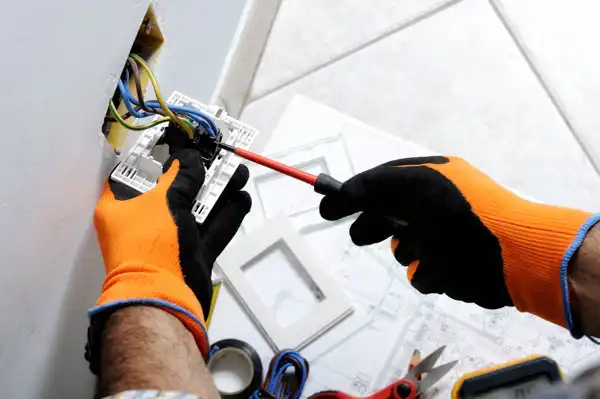
A typical whole-home repipe may take one to several days depending on size, access, crew, inspections, and drywall needs. Water may be shut off during portions of the work, but experienced crews often stage the project to minimize downtime. They know families still need toilets, coffee, and the illusion of civilization.
Permits and inspections are often required, depending on location and project scope. That is not red tape for sport. Proper inspection helps verify approved materials, pressure testing, support, protection plates, valve placement, and code compliance. If walls are opened, coordination with drywall repair and paint may be needed. Some plumbing contractors handle patching. Others leave finish repairs to a drywall specialist. Ask before work begins so nobody is standing in the hallway later saying, “I thought you were doing that.”
The difference between a repair and a repipe
A repair makes sense when the rest of the system is sound. If a washing machine valve leaks or a single copper joint fails because it was poorly soldered, targeted Plumbing leak repair is reasonable. If a remodel requires moving a few lines, partial replacement can be enough. Nobody should sell a full repipe because one toilet supply line got dramatic.
Repiping makes sense when the piping material itself is failing, when leaks recur, when water quality issues come from pipe corrosion, or when old pipes cannot deliver adequate volume. The best contractors explain why they recommend a repipe and show evidence. That might include visible corrosion, pipe type, repeated leak history, rusty water patterns, pressure readings, or photos from accessible areas.
A homeowner should be cautious if a contractor diagnoses the entire house from the driveway. The driveway has many talents, but x-ray vision is not one of them. On the other hand, if galvanized pipe is visible throughout a 70-year-old home and the owner has rusty water and poor pressure, the diagnosis does not require a crystal ball. Judgment is the useful middle ground.
Hidden benefits nobody brags about until later
The obvious benefits of repiping are clean water, fewer leaks, and better pressure. The less obvious benefits are the ones homeowners appreciate six months later.
New shutoff valves at fixtures make future repairs easier. Instead of shutting water off to the whole house because one bathroom faucet needs work, you can isolate the fixture. Properly sized lines improve simultaneous use, so the shower does not punish someone for starting the washing machine. Insulated hot water lines can reduce heat loss, especially in long runs. Better routing may shorten hot water wait times, though fixture distance and system design still matter.
Repiping can also uncover related issues. A plumber may find a failing pressure reducing valve, improper grounding and bonding, outdated hose bibbs without vacuum breakers, or an old main shutoff that barely turns. If the home has a recirculation system, the repipe is a chance to correct check valves and pump placement. If a remodel is planned, repiping before new tile and cabinets go in can prevent heartbreak with a grout saw later.
There is also resale value. Buyers and inspectors notice old galvanized piping. Insurance companies may care about plumbing age and leak history. A documented repipe can make a home easier to sell, not because it is glamorous, but because it removes a big ugly question mark from the inspection report.
Working around walls, floors, and real life
Homeowners often worry that repiping will turn the house into a demolition derby. Sometimes access is easy. Sometimes it is not. Good repipe crews think like both plumbers and houseguests. They protect floors, isolate dusty work, label openings, and make cuts where repairs will be manageable. They also communicate, which should not feel revolutionary but occasionally does.
Wall openings are usually strategic rather than random. Behind vanities, inside closets, under sinks, near water heaters, and above accessible ceiling areas are common targets. Tile showers are avoided when possible because nobody wants to disturb a waterproof assembly unless necessary. Attic piping requires careful insulation and freeze protection in cold climates. Crawl-space piping needs support, insulation where appropriate, and protection from pests, sharp edges, and careless future cable installers.
If the home has lead service lines, polybutylene piping, or other known problem materials, the project may expand beyond interior repiping. The water service from meter or well to the house is its own subject, but it should not be ignored. A shiny new interior system fed through a failing underground line is like putting fresh milk in a dirty pitcher.
Cost, without pretending every house is the same
Repiping costs vary widely. House size, number of fixtures, pipe material, access, local labor rates, permit requirements, wall repair, and whether the main service line is included all matter. A small single-story home with crawl-space access may be relatively straightforward. A large two-story home on a slab with multiple bathrooms, custom tile, and tight attic access will cost more. That is not contractor greed, it is geometry with invoices.
Homeowners sometimes compare repipe estimates and wonder why one is dramatically cheaper. The answer may be efficiency, but it may also be missing scope. Does the estimate include permits, pressure testing, new stops and supplies, hose bibbs, insulation, drywall patching, disposal, water heater connections, and code upgrades? Are they using approved materials and fittings? Will the crew protect the home? Is the contractor insured? A low price that excludes half the work is not a bargain, it is a scavenger hunt.
Financing may be worth considering when leaks are active or escalating. Delaying a needed repipe can lead to damage that is not neatly financed or scheduled. Water damage prefers weekends, holidays, and the hour after you leave for the airport.
How repiping fits with other home systems
Homes do not operate in tidy categories just because service companies do. Plumbing affects water heaters, boilers, hydronic heating, laundry, kitchens, bathrooms, irrigation, and sometimes even heating and cooling equipment. A Heating contractor or Furnace repair service may care about water lines if a home has humidifiers, boilers, or condensate drains nearby. An Air conditioning contractor may run into plumbing concerns around condensate disposal, especially when attic air handlers share cramped space with water lines. An Electrician may be needed if bonding and grounding must be corrected after metallic piping is replaced with nonmetallic pipe.
This is where a multi-trade perspective helps. During a repipe, someone may notice unsafe wiring near old leaks, poor lighting in a mechanical room, or a gas appliance shutoff that needs attention from a Gas installation service. If the attic is involved, a Lighting contractor might not be the first person you think of, but good lighting around service equipment makes maintenance safer. If the home uses a heat pump water heater or is planning Heat pump installation, plumbing layout, condensate handling, and electrical capacity all come into play.
Air conditioning repair, Air conditioning maintenance, and an Air conditioning tune-up may seem unrelated to rusty water, but moisture management connects these worlds. A clogged AC condensate line can mimic plumbing leaks. A ceiling stain below an air handler may not be a supply pipe leak at all. A careful technician checks before cutting holes. Likewise, Septic system service, Drain cleaning, and Hydrojetting address wastewater flow, not rusty supply water, but homeowners often experience several old-house problems at once. The right diagnosis keeps everyone from fixing the wrong villain.
Questions worth asking before hiring a repipe contractor
You do not need to become a plumber before hiring one. Frankly, most people have healthier hobbies. But you should ask enough to separate professionals from pipe enthusiasts with a van.
- What material do you recommend for this home, and why?
- Does the estimate include permits, inspections, valves, insulation, and wall patching?
- How long will the water be off, and how will the work be staged?
- What areas of the home will need access openings?
- What warranty covers labor and materials?
The answers should be specific. “We use good stuff” is not a material specification. “We’ll figure it out” is not a schedule. “Probably not too many holes” is not an access plan. Good contractors may not know every surprise before work begins, but they can explain their approach and set realistic expectations.
When not to repipe, at least not yet
There are times when repiping is premature. If rusty water appears only after municipal work and clears after flushing, monitor it. If discoloration affects only one fixture, check the supply line, angle stop, faucet body, or aerator. If only hot water is rusty and the heater is near the end of its life, evaluate the heater first. If a single leak came from freeze damage in an otherwise modern system, repair and insulation may be enough.
Pressure problems can also have non-repipe causes. A failed pressure reducing valve, partially closed main shutoff, clogged fixture cartridges, blocked aerators, or water softener malfunction can mimic pipe restriction. I have seen homeowners ready to replace piping when the real culprit was a half-closed valve hiding behind storage bins. The valve, presumably, enjoyed the attention.
That said, do not let the possibility of a simple fix become an excuse to ignore clear evidence. If the home has galvanized pipes, chronic rusty water, weak pressure, and recurring leaks, flushing and positive thinking will not reverse corrosion. Hope is lovely. It is not a pipe material.
Living through the project without losing your sense of humor
A repipe is invasive, but it should not be chaotic. Before work begins, clear access under sinks, around the water heater, in closets, attic entries, crawl-space openings, and mechanical rooms. Move fragile items away from work zones. Ask where crews will park, where materials will be staged, and how pets should be handled. Cats are especially talented at entering wall cavities and judging workmanship.
Plan around water interruptions. Fill a pitcher, know which bathroom will be available and when, and avoid scheduling laundry marathons during the work. If drywall repairs are separate, expect a gap between plumbing completion and cosmetic restoration. That gap is annoying, but it is better than closing walls before inspection or before the system is pressure tested.
The crew should pressure test the new system, flush lines, check fixtures, verify hot and cold orientation, and inspect for leaks before leaving. If aerators clog shortly after the work, that may be from disturbed sediment, and cleaning them is usually simple. If anything seems off, call promptly. A reputable contractor would rather adjust a valve or correct a fitting early than hear about damage later.
The payoff: water that behaves itself
The best plumbing is boring. Turn the tap, get clear water. Take a shower, keep pressure. Leave the house, return to dry floors. Wash white towels without creating a rust-themed art project. Boring is underrated.
Plumbing repiping is not always the first answer, but when rusty water and frequent leaks come from failing pipes, it is often the honest one. Repairs have their place. So do Water heater repair, Drain cleaning, Rooter service, water treatment, and fixture replacement. The skill lies in knowing which problem you actually have.
A seasoned plumber looks at symptoms as a pattern: pipe material, water quality, leak history, pressure, age, access, and the way the system was assembled. The goal is not to sell the biggest job. The goal is to stop the cycle of stains, patches, and emergency calls. Done right, a repipe gives the home a fresh water backbone, one that does its job quietly for years while more glamorous upgrades hog the compliments.
And if your morning tap water no longer looks like it escaped from a rusty bucket, that is worth celebrating. Maybe not with a parade. But at least with a clean glass of water, which is the whole point.
Name: Service Lion Plumbing Heating Air Electric
Address: 521 W Briardale Ave, Orange, CA 92865, United States
Phone: (657) 567-7305
Website: https://callservicelion.com/
Email: [email protected]
Hours:
Monday: Open 24 hours
Tuesday: Open 24 hours
Wednesday: Open 24 hours
Thursday: Open 24 hours
Friday: Open 24 hours
Saturday: Open 24 hours
Sunday: Open 24 hours
Open-location code: R48R+WV Orange, California, USA
Map/listing URL:
https://www.google.com/maps/search/?api=1&query=Google&query_place_id=ChIJQU4LBWHV3IARtnABtyykSA4
Google Map:
Socials:
https://www.facebook.com/ServiceLionCA/
https://www.youtube.com/channel/UCR_L35QzsRTxYZtX8PxJvPw
Local Service Information
Service Lion Plumbing Heating Air Electric provides plumbing, drain, heating, air conditioning, and electrical services from its Orange, California location.The company serves homeowners and properties throughout Orange and communities across Orange County and surrounding areas.
Available services include plumbing repairs, water heater work, drain and sewer services, heating and cooling service, electrical repairs, panels, lighting, outlets, and related home-system work.
Service is available for residential properties as well as light commercial needs described within the company's local service-area information.
The company's website emphasizes locally operated service, coordinated home-system support, and practical scheduling for plumbing, HVAC, and electrical needs.
The matching public business listing shows the Orange location as open 24 hours a day, seven days a week.
For service information or scheduling, call (657) 567-7305 or visit https://callservicelion.com/.
The public map listing identifies the business at 521 W Briardale Ave, Orange, CA 92865 and can be used for location and direction information.
Popular Questions About Service Lion Plumbing Heating Air Electric
What services does Service Lion Plumbing Heating Air Electric provide?
The company provides plumbing, drain and sewer, heating, air conditioning, and electrical services. Its published services include plumbing repair, water heaters, drain clearing, sewer work, HVAC repair and installation, electrical repairs, panels, circuit breakers, lighting, outlets, and related services.
Where is Service Lion Plumbing Heating Air Electric located?
The matching business location is 521 W Briardale Ave, Orange, CA 92865, United States.
What areas does Service Lion Plumbing Heating Air Electric serve?
The company serves Orange County and surrounding communities. Its published service-area information includes Orange, Anaheim, Brea, Yorba Linda, Fullerton, Huntington Beach, Newport Beach, Costa Mesa, Irvine, Lake Forest, and additional nearby cities.
Is Service Lion Plumbing Heating Air Electric open 24 hours?
The matching public business listing shows the location as open 24 hours on Monday through Sunday.
Does Service Lion Plumbing Heating Air Electric work on drains and sewer lines?
Yes. Published services include drain clearing, rooter service, camera inspection, hydro jetting, sewer line repair and installation, water line work, slab leak detection, and trenchless sewer line repair.
Does Service Lion Plumbing Heating Air Electric provide heating and air conditioning service?
Yes. Its published HVAC services include air conditioning repair and installation, heating service, furnace work, heat pumps, air ducts, indoor air quality assessments, and thermostat installation.
Does Service Lion Plumbing Heating Air Electric provide electrical service?
Yes. Published electrical services include repairs and installations, electrical panels, circuit breakers, safety inspections, lighting, outlets and switches, surge protection, generators, and EV charging equipment installation.
How can I contact Service Lion Plumbing Heating Air Electric?
Call (657) 567-7305.
Email: [email protected]
Website: https://callservicelion.com/
Facebook: https://www.facebook.com/ServiceLionCA/
Landmarks Near Orange, California
Old Towne Orange Historic District
A central historic district and useful geographic reference point for the Orange community.
Plaza Park
A well-known public gathering point in the center of Old Towne Orange.
Orange Public Library & History Center
A civic landmark serving residents near central Orange.
Hart Park
A major public park and recreation area south of central Orange.
Eisenhower Park
A public park serving neighborhoods in northern Orange.
Santiago Oaks Regional Park
A regional recreation and open-space landmark on the eastern side of Orange.
Irvine Regional Park
A large regional park and recognizable reference point east of the city.
Orange Park Acres
A distinctive residential community and service-area reference point in eastern Orange.
El Modena
An established Orange neighborhood that provides a practical local coverage reference.
Glassell Street
One of the city's principal north-south streets and a useful route through central Orange.
Lincoln Avenue
A major east-west roadway serving northern Orange and nearby communities.
State Route 55
A primary regional freeway connecting Orange with other parts of Orange County.