Air Conditioning Maintenance Tasks Homeowners Should Schedule Yearly
Your air conditioner is a lot like a refrigerator with delusions of grandeur. It sits outside in the rain, bakes in summer sun, inhales cottonwood fluff, fights attic heat, and still gets blamed the moment the living room creeps from 72 to 75 degrees. Then, after months of heroic service, it is expected to wake up next spring and perform again without so much as a polite cleaning.
That is where yearly air conditioning maintenance earns its keep.
A properly maintained cooling system does not just feel better on a hot afternoon. It runs longer, uses less electricity, breaks down less dramatically, and gives an air conditioning contractor a chance to catch small trouble before it becomes the sort of air conditioning repair that arrives with sweat, panic, and someone saying, “I thought that noise was normal.”
I have seen plenty of systems fail for exotic reasons, but most of the ugly summer breakdowns come from boring neglect. Dirty coils. Clogged drains. Weak capacitors. Loose electrical connections. Filters that look like they were pulled from a lint trap in a haunted laundromat. The good news is that yearly service can prevent a surprising amount of that nonsense.
The yearly tune-up is not just “changing the filter”
Changing the air filter matters, absolutely. It is also the maintenance equivalent of brushing your teeth. Important, yes, but no dentist would call that a full annual physical.
A true air conditioning tune-up involves checking airflow, refrigerant performance, electrical components, coil condition, condensate drainage, thermostat accuracy, safety controls, and the general mechanical mood of the system. That last phrase is not in any manual, but every experienced technician knows what it means. Some units sound smooth and steady. Others rattle, wheeze, buzz, and generally behave like they have been making poor life choices.
A good air conditioning repair service does not just glance at the outdoor unit and declare victory. The technician should work through the system from the thermostat to the air handler, from the blower assembly to the outdoor condenser, and from the drain line to the electrical disconnect. If your system is a heat pump, the maintenance visit should also account for heating operation, reversing valve performance, and defrost controls. Heat pump installation has become more common in many regions, and these systems deserve careful seasonal attention because they work in both summer and winter.
For most homes, scheduling air conditioning maintenance once a year is enough. The sweet spot is usually spring, before hot weather turns every service calendar into a battlefield. In dusty climates, homes with heavy pet hair, or systems that run nearly year-round, twice-yearly visits may be worth it. If your Labrador sheds enough fur to assemble a second Labrador, your HVAC system has opinions about that.
Clean or replace the air filter before it becomes a science project
The humble air filter protects the blower motor, evaporator coil, and ductwork from dust buildup. It also affects comfort more than many homeowners realize. A clogged filter can reduce airflow, make rooms feel uneven, increase energy use, and cause the indoor coil to get too cold. In bad cases, the coil can freeze into a block of ice, which is impressive in the same way a kitchen fire is impressive.
Filter schedules vary. A basic one-inch filter may need attention every 30 to 90 days. A thicker media filter can last longer, sometimes 6 to 12 months, depending on the system and household. The label on the filter is a starting point, not a sacred text. Homes with pets, smokers, renovation dust, or lots of door traffic need more frequent checks.
There is also such a thing as too much filter. Some homeowners buy the highest-rated filter they can find, thinking they are turning the house into a surgical suite. The problem is that very restrictive filters can choke airflow if the duct system was not designed for them. Cleaner air is nice. A frozen coil and an overworked blower motor are less charming.
During a yearly visit, your heating contractor or air conditioning contractor should confirm the filter size, inspect how it fits, and check whether the system is moving enough air. A filter that leaves gaps around the edges might as well be wearing a fake mustache and calling itself useful.
Wash the outdoor condenser coil, carefully
The outdoor unit’s job is to dump heat outside. It cannot do that well when the condenser coil is packed with grass clippings, dust, leaves, dryer lint, pollen, or the annual neighborhood cottonwood blizzard.
A dirty condenser coil raises system pressure and forces the compressor to work harder. Since the compressor is usually the most expensive component in the air conditioning system, irritating it is a poor financial strategy. Keeping the coil clean helps the unit reject heat properly, which improves efficiency and reduces stress.
This task looks simple, and sometimes it is. A homeowner can keep shrubs trimmed back, clear leaves from around the unit, and gently rinse the coil from the outside with a garden hose after shutting off power. The word gently deserves to be in bold neon. Pressure washers bend coil fins, and bent fins reduce airflow. If the fins look mashed flat already, a technician can often straighten sections with a fin comb, although severely damaged coils may never breathe quite right again.
Professional coil cleaning may involve removing panels and washing from the inside out. That lets debris exit the way it came in instead of getting driven deeper. Some coils need approved cleaners, especially if greasy grime or coastal salt is involved. Harsh chemicals can damage aluminum and copper, so this is one of those jobs where “more powerful” does not automatically mean “better.” Much like hot sauce, tax advice, and uncle Larry’s fireworks, restraint has value.
Inspect the indoor evaporator coil, because dust loves secrecy
The indoor evaporator coil sits inside the air handler or furnace cabinet, which means homeowners rarely see it. Dust, however, finds it just fine. If filtration is poor or airflow is unbalanced, the evaporator coil can collect a layer of grime that acts like insulation. The system then struggles to absorb heat from indoor air.
A dirty evaporator coil can cause weak cooling, long run times, musty smells, water problems, and icing. Cleaning it is more involved than hosing off the outdoor unit. Access may require removing panels, working near delicate fins, and protecting electrical components. In some homes, the coil is wedged into a tight attic or closet where every movement feels like a yoga pose invented by a plumber with a grudge.
Yearly maintenance should include a visual inspection of the evaporator coil when accessible. If it is dirty, the technician can recommend cleaning. Sometimes the better fix is not just cleaning the coil but solving the reason it got dirty, such as a poorly fitted filter rack, leaky return duct, or missing panel. Otherwise, the coil gets cleaned, the invoice gets paid, and the dust simply schedules its comeback tour.
Clear the condensate drain before it impersonates indoor plumbing
Air conditioners remove humidity as they cool. That moisture collects on the evaporator coil, drips into a pan, and exits through a condensate drain line. When everything works, nobody thinks about it. When it clogs, water goes exploring.
A clogged condensate drain can damage ceilings, floors, insulation, drywall, and anything stored under an attic air handler. The clog is usually a charming mixture of algae, dust, slime, and whatever else decided to colonize a damp plastic pipe. In humid regions, drain maintenance is not optional. It is the difference between comfort and discovering a suspicious ceiling stain during dinner.
A yearly service visit should include flushing or clearing the drain, checking the drain pan, testing the float switch if one is installed, and verifying proper slope. If the unit is in an attic, a secondary pan and safety switch are especially important. Water obeys gravity with absolute confidence, and your ceiling is not as waterproof as it thinks.
Sometimes a condensate issue gets mistaken for a plumbing leak repair problem. Other times, an actual plumbing problem is blamed on the air conditioner. This is why companies that understand both HVAC and plumbing can be useful. A plumber may need to check nearby drain connections, especially if condensate ties into a household drain line. In some homes, a clogged sink, poor trap arrangement, or drain cleaning issue can affect where condensate water goes. Buildings love teamwork when it comes to causing confusion.
Test electrical components before the hottest day of the year does it for you
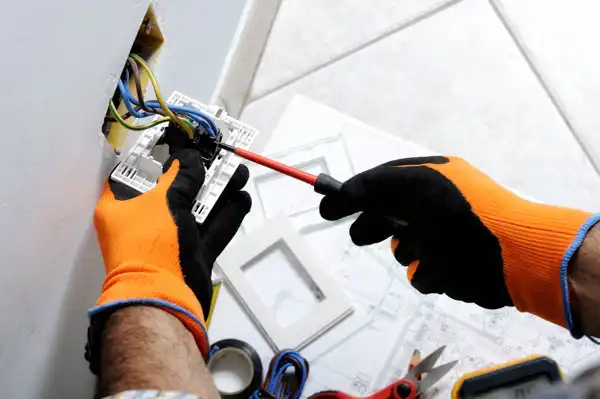
Air conditioners rely on electrical parts that live hard lives. Contactors open and close thousands of times. Capacitors help motors start and run. Wires vibrate. Terminals loosen. Outdoor disconnects weather. Breakers age. Ants, because they are tiny agents of chaos, occasionally invade contactors and sacrifice themselves in the name of nuisance failures.
A yearly air conditioning tune-up should include tightening electrical connections, measuring capacitor strength, checking contactor condition, inspecting wiring, testing voltage and amperage, and confirming the disconnect is safe. Weak capacitors are extremely common, and replacing one proactively can prevent a no-cool call later. Capacitors can test within range one month and fail the next, so there are no guarantees, but spotting a weak one during maintenance is better than finding it at 8 p.m. During a heat wave.
This is not homeowner territory. Electrical panels, disconnects, and charged capacitors can hurt you. An electrician or qualified HVAC technician should handle these checks. If the system trips breakers, dims lights on startup, or smells hot, do not keep resetting things and hoping for personal growth. Call a professional. Breakers trip because something is wrong, not because they are moody.
Homes with older electrical service may also need evaluation before major upgrades, such as heat pump installation, larger air conditioning equipment, or new circuits. An electrician and air conditioning contractor may need to coordinate load calculations, panel capacity, and code requirements. Good coordination beats the classic “everyone points at everyone else” routine.
Check refrigerant performance without treating refrigerant like magic juice
Refrigerant does not get “used up” like gasoline. If a system is low, it usually has a leak. Adding refrigerant without finding the cause may temporarily improve cooling, but it is not maintenance. It is a mechanical energy drink.
During yearly service, a technician may measure refrigerant pressures, line temperatures, superheat, subcooling, and indoor and outdoor conditions to evaluate performance. Those numbers only mean something in context. A pressure reading by itself is like judging a book by page 73. Airflow, coil cleanliness, thermostat settings, and outdoor temperature all Extra resources affect what the readings should be.
Low refrigerant can cause poor cooling, long run times, coil freezing, and compressor damage. Overcharging can also cause problems. More is not better. The correct charge matters.
If a leak is suspected, the technician should discuss options. Older systems using phased-out refrigerants may not be worth major repair, depending on the age, leak location, and cost. Newer systems may justify leak detection and repair. Sometimes the leak is at an accessible fitting. Sometimes it is buried in a coil, laughing quietly. Honest diagnosis matters here, because refrigerant work can get expensive fast.
Calibrate and evaluate the thermostat
Thermostats get blamed for everything. Sometimes they deserve it. Other times they are innocent wall decorations caught in the crossfire.
A yearly visit should include checking thermostat operation, confirming it reads temperature accurately, and making sure it is installed in a sensible location. A thermostat near a sunny window, kitchen heat, exterior door, or supply vent will make questionable decisions. It may shut the system off too early, run it too long, or create hot and cold rooms that inspire family arguments.
Smart thermostats add convenience, but they are not a cure for bad ductwork or an undersized system. Some work beautifully. Others are installed without proper setup, especially on heat pumps where staging, auxiliary heat, and balance points matter. If your heat pump switches to expensive backup heat too often, the thermostat settings may deserve a stern conversation.
Battery-powered thermostats should get fresh batteries annually. Hardwired thermostats should still be checked for secure wiring and proper configuration. If your screen goes blank and comes back only after you tap it like an old television, replacement may be near.
Measure airflow, because comfort is not just cold air
Homeowners often describe cooling problems as “the AC is not cold enough.” Sometimes the refrigerant side is fine, but airflow is poor. The system may produce cold air at the coil while failing to deliver enough of it to the rooms.
Airflow problems come from dirty filters, blocked returns, undersized ducts, closed dampers, crushed flex duct, dirty blower wheels, failing motors, or poorly designed ductwork. A yearly maintenance appointment should include checking temperature split, blower operation, visible duct conditions, and static pressure when appropriate. Static pressure is basically blood pressure for your duct system. Too high, and the blower strains while the house sulks.
Many homes have return air problems. Bedrooms get supply air but not enough return path, so they pressurize when doors close. Air then sneaks under doors or through wall cavities, dragging dust and attic air along for the ride. The result is uneven comfort and higher energy use. No amount of refrigerant will fix a duct system that breathes through a straw.
A technician may recommend duct sealing, return improvements, blower speed adjustments, or more extensive duct redesign. Not every fix is cheap, but proper airflow can transform how a home feels. It can also reduce strain on the equipment, which is handy if you prefer your AC unit to retire gracefully instead of collapsing during a July cookout.
Clean the blower assembly when dust builds up
The blower wheel moves air through the system. When dust coats the blades, it reduces airflow and throws the wheel out of balance. A dirty blower can cause noise, vibration, weak airflow, and higher energy use.
Blower cleaning is not always needed every year, but it should be inspected yearly. Pulling and cleaning a blower assembly can be labor-intensive, especially in tight furnace or air handler cabinets. Still, there are times when it is absolutely worth doing. I have seen blower wheels so packed with dust that the blades looked smooth, like a hamster wheel made of felt. The homeowner thought the system was aging. The system was mostly just suffocating.
If the blower gets dirty again quickly, look upstream. Filter bypass, leaky return ducts, or household dust sources may be the real culprit. Maintenance should not be a yearly ceremony where everyone politely ignores the obvious.
Inspect safety switches, pans, and shutoffs
Modern cooling systems include safety devices that prevent damage or reduce risk. Float switches shut the system off if condensate backs up. Disconnects allow technicians to kill power at the outdoor unit. Breakers protect circuits. Furnace or air handler doors often include safety switches. Some systems have overflow pans, surge protection, or condensate pumps.
These pieces are easy to overlook because they do not make the house cooler on a normal day. They matter when something goes wrong. A failed float switch can turn a drain clog into drywall repair. A corroded disconnect can make service unsafe. A bad condensate pump can create water damage in basements or interior mechanical rooms.
Yearly maintenance should include testing and inspecting these parts. It is not glamorous, but neither is explaining to your insurance company that the ceiling collapsed because a ten-dollar drain switch did not work.
Pay attention to the furnace side if the AC uses the furnace blower
In many homes, the air conditioner shares the indoor blower with the furnace. That means cooling performance depends partly on furnace components. If the blower motor, control board, filter cabinet, or duct connections have problems, the air conditioner suffers.
A furnace repair service may be needed even when the complaint is poor cooling. That sounds odd until you remember the indoor blower often lives inside the furnace. A cracked heat exchanger is a heating safety issue, not an AC issue, but blower and control problems can affect both seasons. This is one reason homeowners often benefit from using a heating contractor who understands the whole system instead of treating cooling and heating as separate planets.
If you have gas heat, any signs of combustion problems, gas odor, or venting issues should be addressed promptly by a qualified professional. Gas installation service is not a casual add-on for weekend experimentation. Gas piping, regulators, combustion air, and venting need proper sizing and code compliance. The same practical rule applies here as with electrical work: if the failure mode includes fire, explosion, or carbon monoxide, bring in someone with licenses, instruments, and a healthy respect for physics.
Coordinate AC maintenance with plumbing and home systems
Air conditioning does not operate in isolation. It shares space with plumbing, electrical, insulation, ventilation, and sometimes drainage systems. A smart yearly home maintenance plan recognizes those overlaps.
For example, an attic air handler may sit near plumbing lines. A condensate drain may tie into a lavatory drain. A mechanical room may house the air handler, water heater, softener, and sump pump in one crowded little kingdom. If one system leaks, corrodes, overheats, or backs up, neighboring equipment often gets dragged into the drama.
Water heater repair and water heater installation can affect mechanical room layout, combustion air, venting, and drain access. Water softener installation can reduce mineral buildup in plumbing fixtures, but discharge routing needs to be correct. Plumbing repiping can disturb walls and ceilings near ductwork. Drain cleaning, rooter service, and hydrojetting may be needed if household drains are sluggish, and those same drain issues can complicate condensate disposal. Septic system service matters too, especially where condensate, softener discharge, or fixture drainage must be routed responsibly according to local rules.
None of this means your air conditioning contractor needs to be a plumber, lighting contractor, septic expert, and magician in one person. It does mean a good contractor knows when another trade should be involved. The best service calls are boring because the right professional handles the right problem before it becomes theatrical.
The maintenance tasks worth putting on the calendar
A homeowner does not need to memorize every pressure reading or wire color. You do need to schedule the right work at the right time and notice changes in how the system behaves. If you want a simple yearly framework, use this as your calendar anchor:
- Schedule a professional air conditioning tune-up in spring, before the first major heat wave.
- Replace or inspect the air filter regularly, based on filter type, pets, dust, and run time.
- Keep two to three feet of clearance around the outdoor condenser whenever possible.
- Watch for water near the indoor unit, musty odors, weak airflow, unusual noise, or rising energy bills.
- Book repairs early when symptoms appear, rather than waiting for the system to audition for a disaster movie.
That list is short because maintenance works best when it is simple enough to actually happen. The longer the checklist, the more likely it ends up in a drawer under expired coupons and a screwdriver nobody recognizes.
What homeowners can safely do themselves
There is a useful line between helpful homeowner maintenance and “why is there a scorch mark on the siding?” territory. You can do plenty without opening electrical cabinets or handling refrigerant.
You can replace filters, keep vents open and unblocked, clear leaves from the outdoor unit, trim back plants, rinse the condenser gently, check thermostat batteries, and look for water around the indoor unit. You can also listen. New buzzing, grinding, rattling, hissing, or clicking deserves attention. Equipment often complains before it quits. Ignore it long enough and it stops complaining, which is not the same as getting better.
Be careful with supply vents. Closing a few for comfort adjustments is usually not catastrophic, but closing too many can increase static pressure and reduce airflow. Your air conditioner was designed to move a certain amount of air. Starving it because the guest room is “not being used” can backfire.
Do not open sealed refrigerant lines. Do not wash electrical compartments. Do not bypass float switches. Do not tape down door switches. Do not install a larger breaker because the old one keeps tripping. That last one is how small electrical problems become large electrical problems with paperwork.
When a repair makes more sense than another tune-up
Maintenance is not resurrection. It improves reliability and catches problems early, but it cannot make a badly worn system young again. At some point, repeated air conditioning repair becomes less sensible than replacement.
Age matters, but it is not the only factor. Many central air conditioners last roughly 10 to 15 years, sometimes longer with good maintenance and favorable conditions. Coastal air, extreme heat, poor installation, duct problems, and neglect can shorten that life. A lightly used system in a mild climate may run well past the average. Machines do not read national averages. They have their own plans.
If the compressor fails on an older unit, replacement often deserves serious consideration. If the evaporator coil leaks and the system uses an older refrigerant, repair costs may push you toward new equipment. If the system has had multiple expensive failures in two seasons, the pattern is speaking. It may be rude, but it is speaking.
On the other hand, replacing a failed capacitor, contactor, fan motor, or drain safety switch on an otherwise solid system can be a perfectly reasonable repair. A trustworthy air conditioning repair service should explain the condition of the full system, not just sell fear with a flashlight.
Why installation quality affects yearly maintenance
Some maintenance problems are born on installation day. Poor airflow, sloppy refrigerant charging, bad drain slope, undersized returns, kinked refrigerant lines, and poorly sealed duct connections can haunt a system for years. The yearly technician may get blamed for a problem that was baked into the original setup.
Proper sizing matters. Bigger is not automatically better. An oversized air conditioner may cool quickly but fail to remove enough humidity, leaving the house cold and clammy. It may also short cycle, which increases wear. An undersized system may run constantly and still lag behind on hot afternoons. Load calculations, duct evaluation, and equipment matching are not glamorous, but they decide whether the system behaves like a professional or a caffeinated raccoon.
Heat pump installation adds another layer because the system must handle cooling and heating. Backup heat, thermostat setup, defrost operation, and outdoor unit placement all matter. A skilled heating contractor or air conditioning contractor should plan the system as a whole. The maintenance technician can tune and clean equipment, but they cannot fully compensate for a bad design without making larger changes.
Red flags during a maintenance visit
Most contractors are honest, hardworking people who would rather fix equipment than play sales games. Still, homeowners should know what a poor maintenance visit looks like. If a technician spends ten minutes at the outdoor unit, never checks the indoor equipment, and declares everything perfect, that is not much of a tune-up. If every visit mysteriously results in a high-pressure replacement pitch with no measurements, photos, or explanation, skepticism is healthy.
Useful maintenance includes clear findings. The technician should be able to tell you what was checked, what was cleaned, what readings were concerning, and what can wait. Not every issue requires immediate repair. Some conditions should simply be monitored. For example, a capacitor testing barely within range may be noted, while one below manufacturer tolerance should probably be replaced. A slightly rusty drain pan may be watched, while an active leak needs action. Judgment matters.
Here are a few signs the visit deserves questions:
- No inspection of the indoor coil area, blower compartment, filter, or condensate drain.
- Refrigerant added without leak discussion, performance data, or explanation.
- Electrical parts recommended with no test results or visible defect.
- Replacement pushed without considering age, repair history, duct condition, or budget.
- No written summary of findings after the service.
A good company will not be offended by reasonable questions. The best technicians usually enjoy explaining what they found, provided you do not ask them from the attic hatch while they are balancing on a joist in August.
The small comfort habits that reduce strain
Yearly maintenance does the heavy lifting, but daily habits affect system stress. Set the thermostat realistically. A central air conditioner does not cool faster because you set it to 62 degrees. It simply runs longer while silently Plumber judging you. Use ceiling fans for comfort, but turn them off in empty rooms because fans cool people, not furniture. Keep blinds or curtains closed during harsh afternoon sun. Make sure return grilles are not blocked by furniture, rugs, or that decorative basket collection nobody admits buying.
Humidity also matters. If the home feels sticky, lowering the thermostat may not solve the real issue. Poor airflow, oversized equipment, duct leakage, or thermostat settings can all affect dehumidification. In some climates, whole-home dehumidification may be worth discussing. In others, sealing duct leaks and improving returns makes the biggest difference.
Outdoor unit placement matters too. Keep mulch, soil, and landscaping from crowding the base. Avoid letting sprinklers spray the condenser, especially if your water is hard. Mineral deposits on coils are not a spa treatment. If you have a water softener installation planned and outdoor irrigation changes along with it, make sure sprinklers still avoid HVAC equipment.
How yearly maintenance saves money without promising miracles
Energy savings from maintenance vary. Anyone promising a precise universal percentage is overselling it. A system with a severely dirty coil, clogged filter, and weak capacitor may improve dramatically after service. A clean, newer, well-installed system may show smaller gains. Both still benefit from inspection.
The bigger savings often come from avoided damage. Clearing a condensate drain can prevent ceiling repair. Replacing a weak capacitor can save a service call. Cleaning coils can reduce compressor strain. Correcting airflow can prevent freezing and nuisance failures. Finding a burnt wire early can prevent a no-cool emergency.
Maintenance also gives you planning time. Learning in April that your 14-year-old system has a leaking coil is annoying. Learning it in July when indoor temperatures hit 86 degrees and replacement schedules are packed is a character-building exercise nobody requested.
Put it on the calendar before the weather gets smug
The best time to schedule yearly air conditioning maintenance is before you desperately need it. Spring appointments are easier to book, technicians are less buried, and parts availability is usually less dramatic. Once the first heat wave arrives, every neglected system in town wakes up, screams, and joins the same service queue.
A yearly tune-up should include real inspection, careful cleaning, electrical testing, drain maintenance, airflow evaluation, and practical recommendations. It should connect the dots between the outdoor unit, indoor blower, thermostat, ductwork, condensate drainage, and related home systems. It should not feel like a mystery ritual involving a clipboard and vague nodding.
Treat your air conditioner like the hardworking machine it is. Give it clean filters, open airflow, a clear outdoor coil, a functioning drain, sound electrical components, and a professional checkup once a year. Do that, and it is far more likely to return the favor by keeping the house cool when summer gets rude.
Name: Service Lion Plumbing Heating Air Electric
Address: 521 W Briardale Ave, Orange, CA 92865, United States
Phone: (657) 567-7305
Website: https://callservicelion.com/
Email: [email protected]
Hours:
Monday: Open 24 hours
Tuesday: Open 24 hours
Wednesday: Open 24 hours
Thursday: Open 24 hours
Friday: Open 24 hours
Saturday: Open 24 hours
Sunday: Open 24 hours
Open-location code: R48R+WV Orange, California, USA
Map/listing URL:
https://www.google.com/maps/search/?api=1&query=Google&query_place_id=ChIJQU4LBWHV3IARtnABtyykSA4
Google Map:
Socials:
https://www.facebook.com/ServiceLionCA/
https://www.youtube.com/channel/UCR_L35QzsRTxYZtX8PxJvPw
Local Service Information
Service Lion Plumbing Heating Air Electric provides plumbing, drain, heating, air conditioning, and electrical services from its Orange, California location.The company serves homeowners and properties throughout Orange and communities across Orange County and surrounding areas.
Available services include plumbing repairs, water heater work, drain and sewer services, heating and cooling service, electrical repairs, panels, lighting, outlets, and related home-system work.
Service is available for residential properties as well as light commercial needs described within the company's local service-area information.
The company's website emphasizes locally operated service, coordinated home-system support, and practical scheduling for plumbing, HVAC, and electrical needs.
The matching public business listing shows the Orange location as open 24 hours a day, seven days a week.
For service information or scheduling, call (657) 567-7305 or visit https://callservicelion.com/.
The public map listing identifies the business at 521 W Briardale Ave, Orange, CA 92865 and can be used for location and direction information.
Popular Questions About Service Lion Plumbing Heating Air Electric
What services does Service Lion Plumbing Heating Air Electric provide?
The company provides plumbing, drain and sewer, heating, air conditioning, and electrical services. Its published services include plumbing repair, water heaters, drain clearing, sewer work, HVAC repair and installation, electrical repairs, panels, circuit breakers, lighting, outlets, and related services.
Where is Service Lion Plumbing Heating Air Electric located?
The matching business location is 521 W Briardale Ave, Orange, CA 92865, United States.
What areas does Service Lion Plumbing Heating Air Electric serve?
The company serves Orange County and surrounding communities. Its published service-area information includes Orange, Anaheim, Brea, Yorba Linda, Fullerton, Huntington Beach, Newport Beach, Costa Mesa, Irvine, Lake Forest, and additional nearby cities.
Is Service Lion Plumbing Heating Air Electric open 24 hours?
The matching public business listing shows the location as open 24 hours on Monday through Sunday.
Does Service Lion Plumbing Heating Air Electric work on drains and sewer lines?
Yes. Published services include drain clearing, rooter service, camera inspection, hydro jetting, sewer line repair and installation, water line work, slab leak detection, and trenchless sewer line repair.
Does Service Lion Plumbing Heating Air Electric provide heating and air conditioning service?
Yes. Its published HVAC services include air conditioning repair and installation, heating service, furnace work, heat pumps, air ducts, indoor air quality assessments, and thermostat installation.
Does Service Lion Plumbing Heating Air Electric provide electrical service?
Yes. Published electrical services include repairs and installations, electrical panels, circuit breakers, safety inspections, lighting, outlets and switches, surge protection, generators, and EV charging equipment installation.
How can I contact Service Lion Plumbing Heating Air Electric?
Call (657) 567-7305.
Email: [email protected]
Website: https://callservicelion.com/
Facebook: https://www.facebook.com/ServiceLionCA/
Landmarks Near Orange, California
Old Towne Orange Historic District
A central historic district and useful geographic reference point for the Orange community.
Plaza Park
A well-known public gathering point in the center of Old Towne Orange.
Orange Public Library & History Center
A civic landmark serving residents near central Orange.
Hart Park
A major public park and recreation area south of central Orange.
Eisenhower Park
A public park serving neighborhoods in northern Orange.
Santiago Oaks Regional Park
A regional recreation and open-space landmark on the eastern side of Orange.
Irvine Regional Park
A large regional park and recognizable reference point east of the city.
Orange Park Acres
A distinctive residential community and service-area reference point in eastern Orange.
El Modena
An established Orange neighborhood that provides a practical local coverage reference.
Glassell Street
One of the city's principal north-south streets and a useful route through central Orange.
Lincoln Avenue
A major east-west roadway serving northern Orange and nearby communities.
State Route 55
A primary regional freeway connecting Orange with other parts of Orange County.